With the Conservative Party suffering a disastrous defeat at the 2024 UK general election, bringing to an end a hideously grim and destructive 14 years in Government, here’s how our outgoing Prime Minister and the last Prime Minister of this foul, asset stripping and corrupt oligharcy that has ruined everything good about this country since 2010 ranks compared to all the other Prime Ministers since the role was officially established in the early 18th Century. All my opinion of course…
This will exclude all of the very short lived PM’s whose tenure spanned less than at least 1.5 years. Yes, Liz Truss too, as insane and damaging as her brief 45 days was. A natural continuation of what our bottom pick did to the Tory party.
45. BORIS JOHNSON (CONSERVATIVE) (2019-2022)
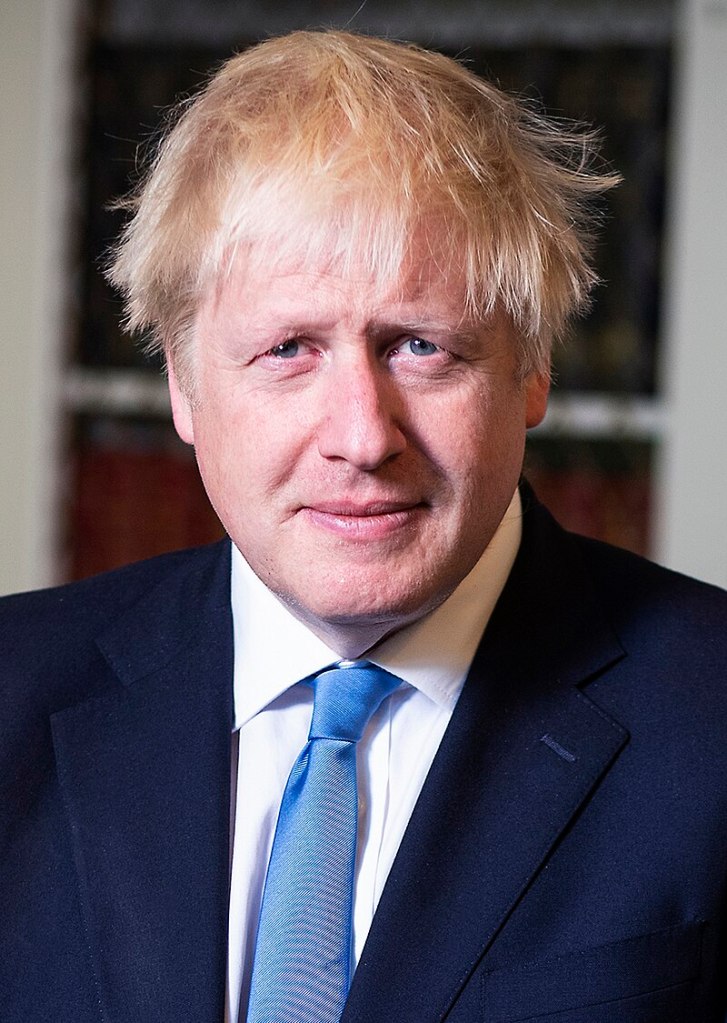
A vile, lying charlatan who represents everything wrong with this country’s rotten class system and indeed everything wrong with humanity, the fact that Boris Johnson ever fell upwards into the position of being Prime Minister is astonishing and represents a real failure in terms of our politics and the direction of this country.
A serial opportunist with no real ideology of his own beyond “being world king”, Johnson jumped on the Brexit bandwagon having previously been pro-EU as London Mayor solely in order to get some political attention (spreading lies such as the infamous one about an extra £350M for the NHS if we leave the EU), then rode that all the way to the position of Prime Minister when Parliament fell to pieces trying to get it through after the Leave vote unexpectedly won.
Should not be a remote surprise then that when faced with one of the country’s biggest crises as Prime Minister, that being the global Coronavirus Pandemic, he utterly mishandled it in every single way due to his degenerate nature, corruption and total incompetence at everything beyond public posturing. From his dangerous and cowardly delaying on locking the country down (multiple times) to horrendously implemented measures on care homes which flat out killed many people, breaking his own rules through numerous parties with colleagues and pissing away public money towards contracts for his donors, his entire time as Prime Minister was a disgrace to the office and ensured the total and absolute loss of trust in the Conservative party at all. He ultimately met his end after trying to appoint and defend a proven sexual harasser of women. What a cunt. And none of this even mentions his rushed, bare bones version of Brexit which crippled the country in a way that is very tough to repair.
44. GEORGE GRENVILLE (WHIG) (1763-1765)
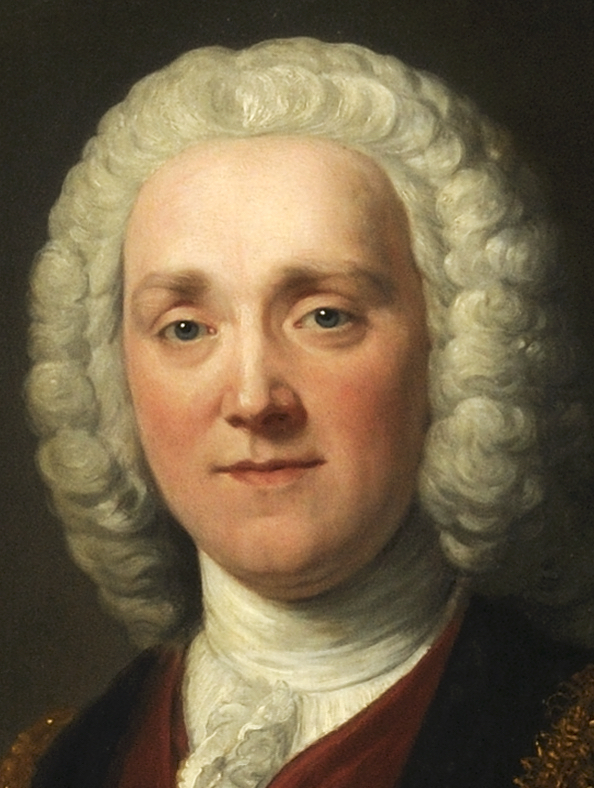
George Grenville was PM during a particularly unstable decade in Parliament, early in the reign of King George III, where seemingly everyone got a go at running the country.
His most noteworthy contribution to history was setting the stage for the American War of Independence via his authorisation of the Stamp Act, which harshly penalised the North American colonists in order to repay Britain’s debt following the Seven Years War. But he was also a tyrant, ordering the arrest of political opponent John Wilkes over criticism of the King.
43. SIR ANTHONY EDEN (CONSERVATIVE) (1955-1957)
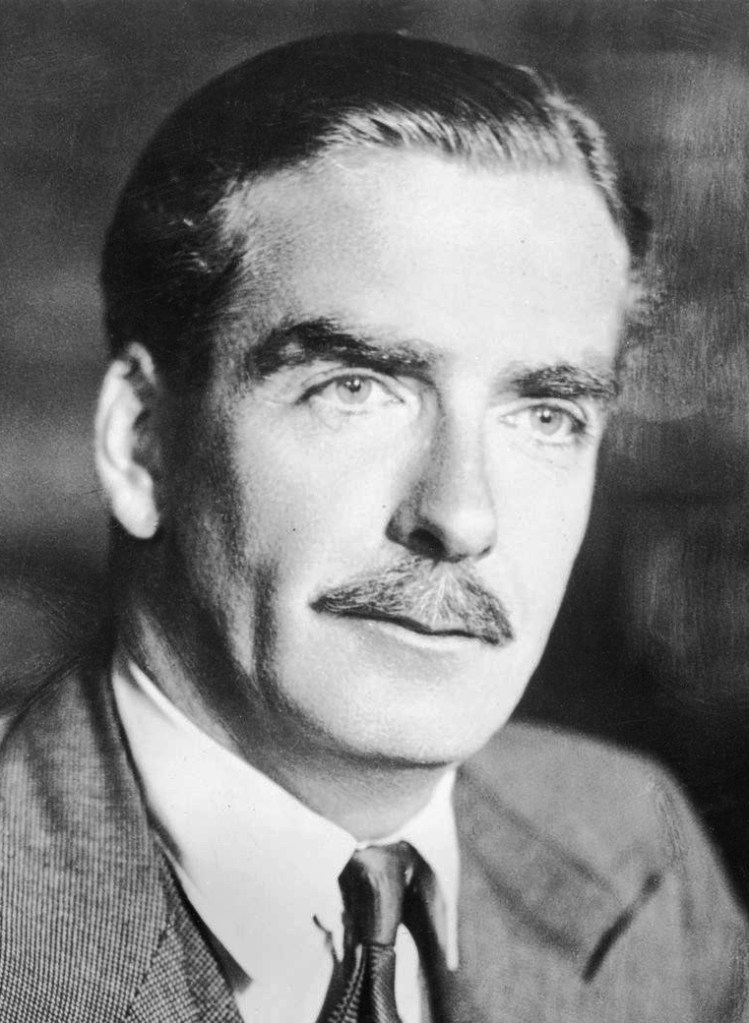
A far better cabinet member and statesman than Prime Minister, Eden was an extraordinarily popular political operator who served as Winston Churchill’s Foreign Secretary on 2 seperate occasions, throughout such key events such as World War II and the early years of the Cold War. He was therefore the natural successor to Churchill after he finally retired in 1955 and proceeded to predictably sweep the election, at the time comfortably one of the most popular politicians in Europe.
Eden would proceed to ruin his reputation completely upon taking the top job however. His reckless and ignorant approach to political decisions saw him become involved in the Suez Crisis, a crackpot plan he hatched along with the leaders of France and Israel to seize the profitable Suez Canal from Egypt.
The utterly incompetent way this was handled, failing to consider the diplomatic disaster and serious threat of war so soon after WWII, and failing to consider peacemaking US President Eisenhower failing to take his side, resulted in a serious humiliation for Britain on the world stage and saw Eden resigning after only 2 years as PM soon after.
42. VISCOUNT MELBOURNE (WHIG) (1834, 1835-1841)
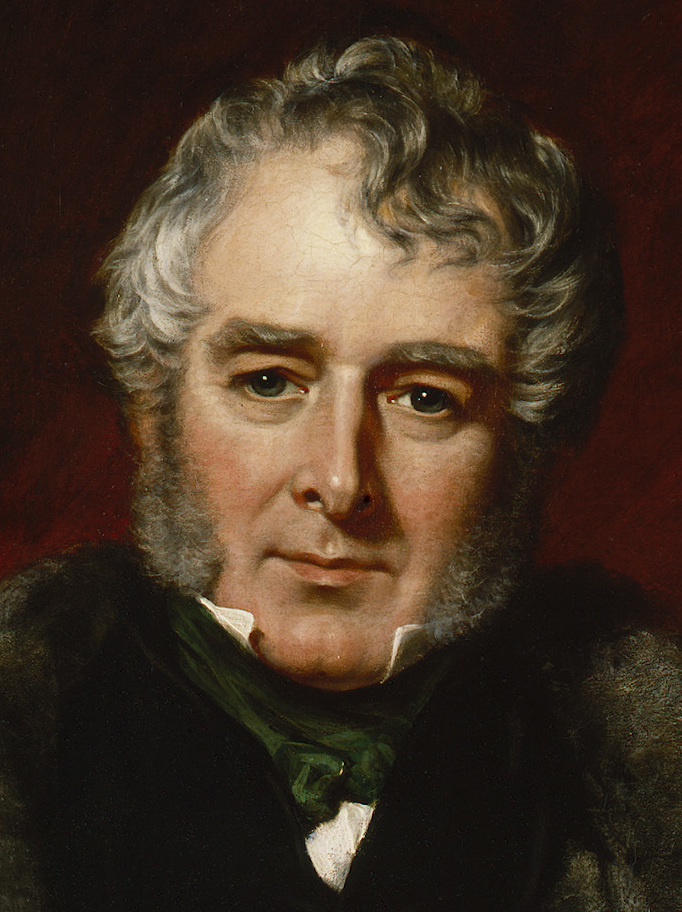
Best known for being the namesake of the Australian Capital and for helping nuture the young Queen Victoria in the early days of her reign, Melbourne was nevertheless a generationally rotten and contemptible Prime Minister.
His attempted workhouse reforms ended up instead making conditions for the workers worse than they already were, he was opposed to the 1832 Great Reform Act which essentially made the UK a voting democracy (and indeed any other democratic reform while Prime Minister), he brutally expanded the power of the state out of a seeming desire to punish the working class and he launched the absolutely shameful Opium Wars towards China in one of the most definitively rotten examples of British imperialism.
41. EARL OF LIVERPOOL (TORY) (1812-1827)
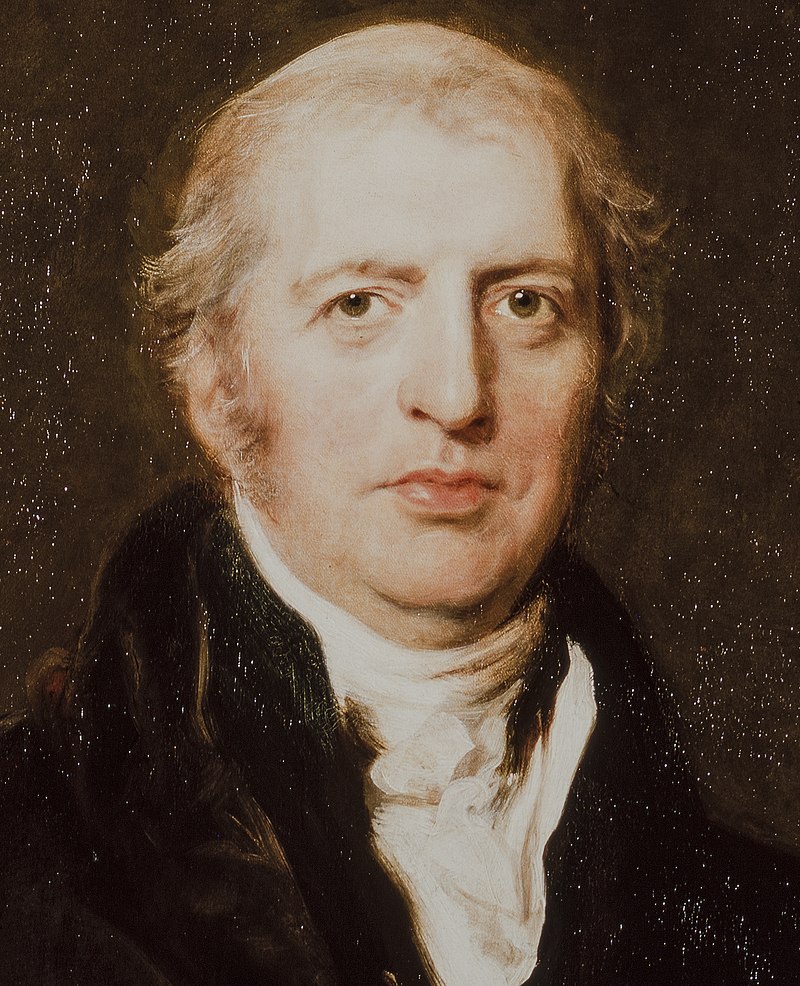
Prime Minister for a lengthy period of time of 15 years, the Earl of Liverpool stands as one of the very definitions of stubborn conservatism during a time of rising democratic sentiment which he largely fought against, as he sought very successfully (through acts such as the corn laws) to shape Britain more in favour of the wealthy elites.
His defining legacy beyond all that is the Peterloo Massacre, where a rabble of protesters rallying against his increasing centralisation of government power were horrifically gunned down by troops, and the Prime Minister sociopathically responded by passing dictatorial laws against free speech. A proper tyrant of a leader and a black stain on the history of this country’s government.
40. DAVID CAMERON (CONSERVATIVE) (2010-2016)
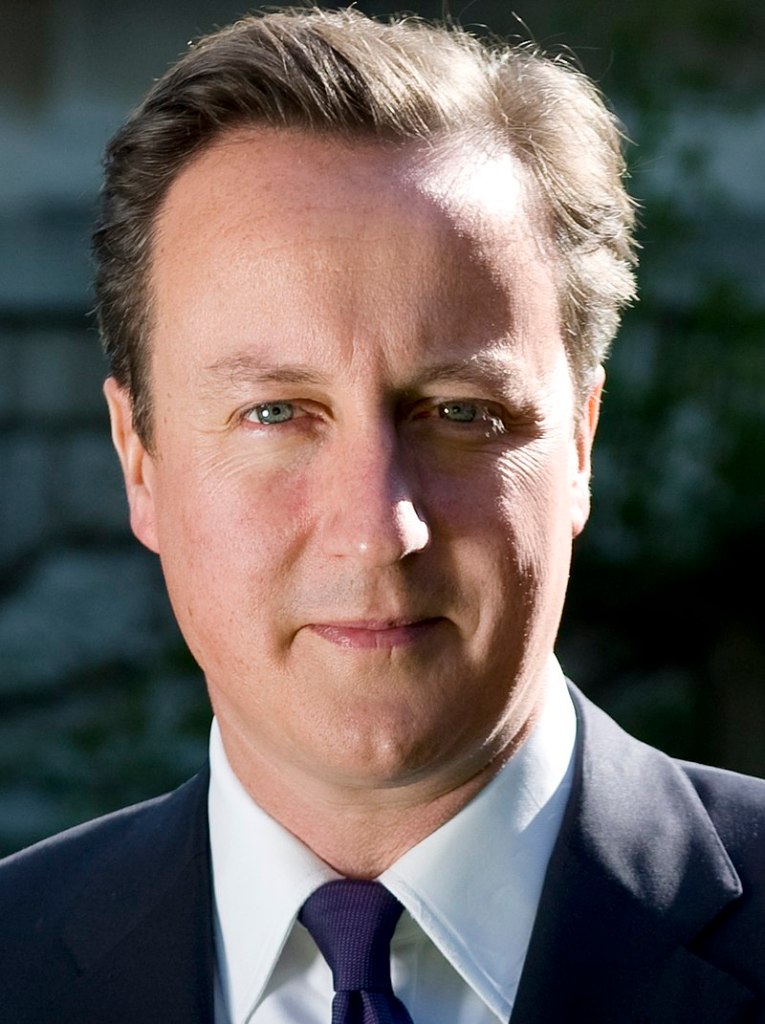
Despite being on opposite sides of the political spectrum (to a point, at least) there are actually plenty of similarites between David Cameron and Ramsay MacDonald. A far better Leader of the Opposition than Prime Minister. Formed an unlikely Coalition Government with former political rivals. Oversaw an incredibly grim, poor and uncaring handling of Britain’s economy in the aftermath of a global economic crisis. And lastly, played a part in one of the greatest foreign policy disasters in British history (Appeasement of Hitler; Brexit). History is a funny thing.
It’s rather incredible that Cameron has since been topped at least twice (by Johnson and brief successor Liz Truss) in terms of total shittiness and incompetence since he left office, but indeed they have somehow accidentally elevated him a bit more comfortably above the worst ever. But on the more positive side, his Government (maybe perhaps reigned in on many issues by their Liberal Democrat coalition partners) saw very little socially reactionary nastiness and threats to liberty compared not just to past and present Tory governments but even the New Labour years, which seemed to grow increasingly authoritarian the longer they were in power. He will even rather admirably go down as the Prime Minister who pushed for legalisation of Gay Marriage, against the wishes of most of his dinosaur party. That is a genuine acheivement.
Nothing else of the coalition’s record was impressive at all though. In fact, most of it caused shocking numbers of damage to the country we are still yet to break out of.
A failed referendum on Electoral Reform that he personally campaigned against, brutal and needless cuts on policies that benefited the poor and working people (while continuing to let the wealthy bankers and the super rich off the hook and still failing to invest in any infrastructure whatsoever) which oversaw the biggest fall in living standards since the 19th Century(!), disastrous reforms to the benefit system and the NHS which again saw people on the lower end of society suffering badly, a willingness to pander to the nativist sentiments of Nigel Farage. Worst of all, of course, was the calling of the ridiculously poorly executed and too simplistic In/Out Brexit Referendum, follwed by him proceeding to bugger off immediately like a coward to avoid dealing with the fallout once Leave won, leaving the country without any idea of what Brexit meant or how it would be implemented.
39. LORD NORTH (TORY) (1770-1782)
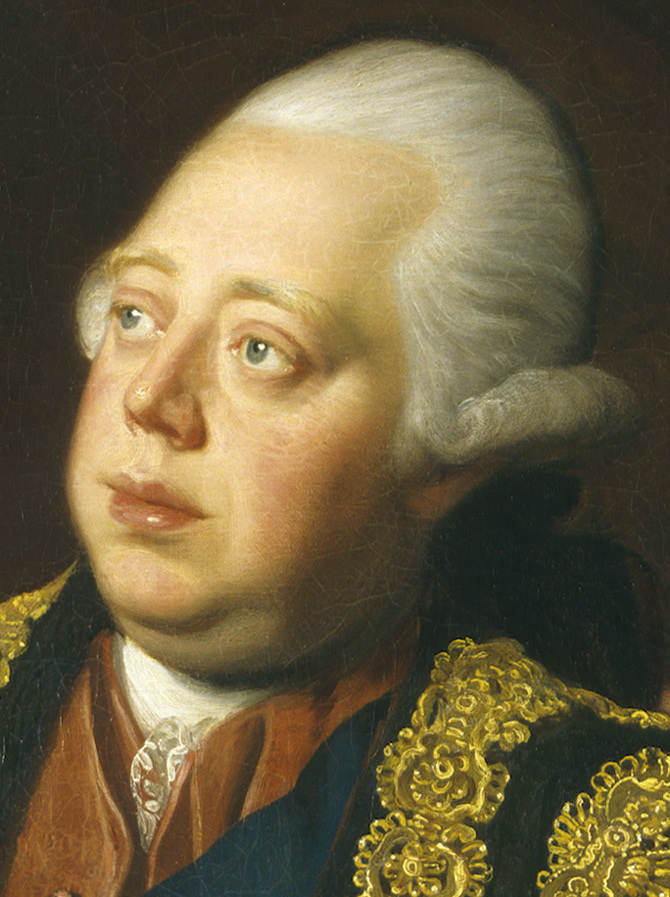
A shrewd political operator and a favourite of King George III, hence his inexplicably long stay in power, Lord North has long since become a name associated with incompetence and serious failure, as the Prime Minister who lost the American Colonies.
Now ignoring the fact that the British Empire as a whole was very bad and American Independence was of a course a very good thing, particularly with its development into the most free society in the world at the time, Lord North should still be largely viewed with disdain. His stubborn continuation of the obscene tax policies on the American colonies, his tyrannical crackdowns on American citizens after the Boston Tea Party and his utter stubborn refusal to compromise with the revolutionaries at any point resulted in a lengthy and costly war to Britain which ended in failure. A truly incompetent clown of historic proportions.
38. VISCOUNT PALMERSTON (WHIG/LIBERAL) (1855-1858, 1859-1865)
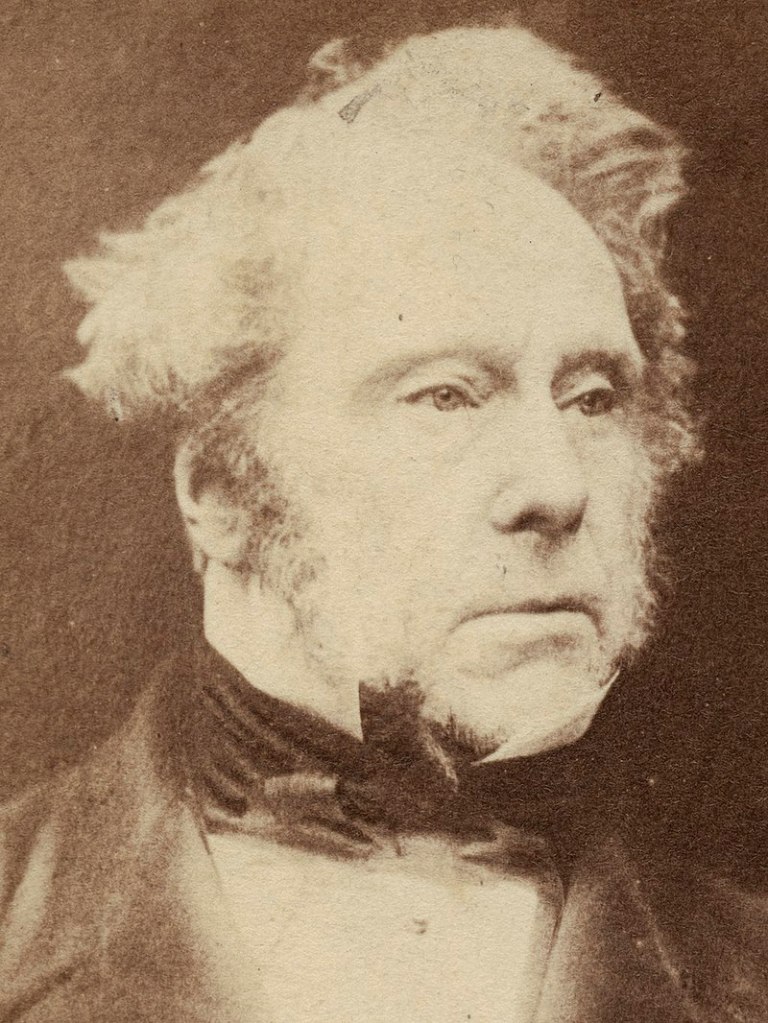
Barney Gumble’s favourite British Prime Minister was actually quite a bit of a bastard! Fitting then that Laurence Fox was chosen to play him in ITV’s Victoria.
One of the most powerful people of the entire 19th century, Lord Palmerston was Foreign Secretary under numerous Whig governments and Prime Minister for the most part over a long period until his death, having assumed the Premiership at the old age of 70. While his passionate nationalism made him incredibly popular with the British public, and did help British interests domestically in some cases, it also made him possibly the most committed and ruthless imperialist leader of the entire history of the British Empire.
Between his ruthless and brutal prosecution of the Crimean War (after helping ruin peace negotiations to serve Britain’s own interests), his continuation of the horrendous Opium Wars against China and his cruel and unjust treatment of the Irish in the aftermath of the Great Irish Famine, Palmerston was in many ways the ultimate face of British Imperialism at its worst, extending back to his destabilisation of Egypt back in his time as Foreign Secretary in the 1830’s.
Oh, and did I mention he also supported the Confederacy?!!!! Barney, lay off the Duff please.
37. SPENCER PERCEVAL (TORY) (1809-1812)
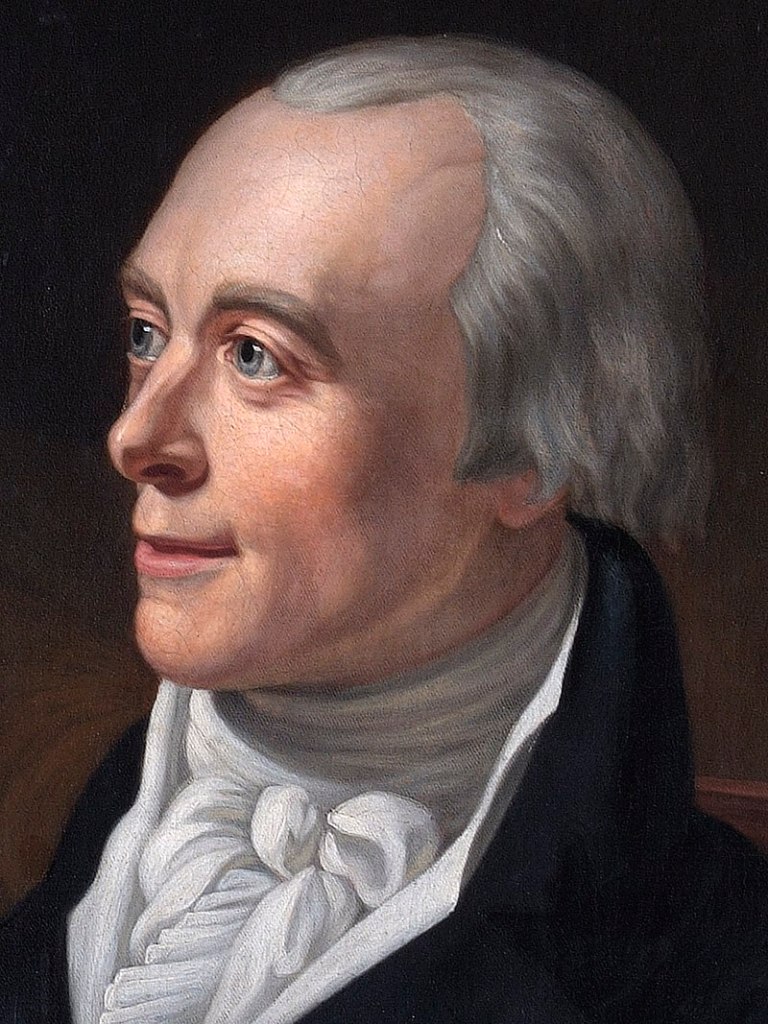
Remembered more so for being the one and only Prime Minister assassinated while in government, Perceval barely registers much otherwise in British history except as yet another stubborn, elitist, Tory politician completely resistant to the rising democratic reform movements at the time.
His refusal to provide any aid to citizens and working people during a time of severe economic depression ultimately resulted in his assassination, killed by a Merchant suffering from his government’s lack of compassion.
36. NEVILLE CHAMBERLAIN (CONSERVATIVE) (1937-1940)
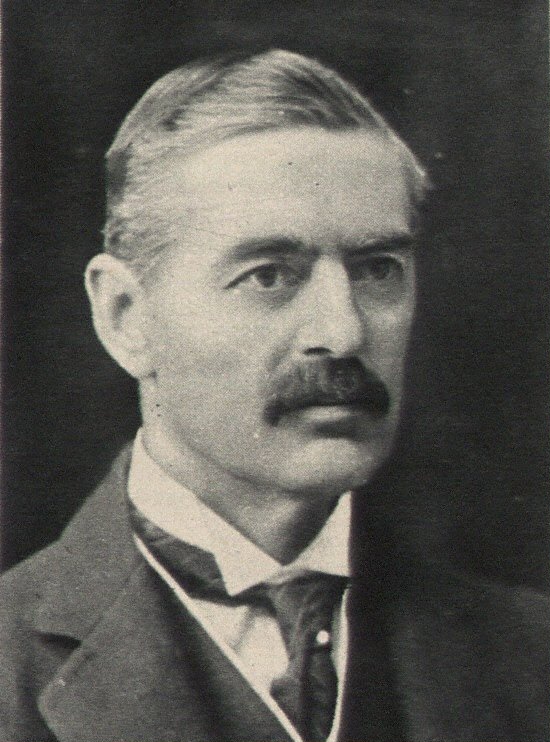
The Prime Minister that sucked up to Adolf Hitler in a misguided attempt to avoid a 2nd World War, but only succeeded in making it more inevitable. Revisionists try to claim that he had no other option because Britain wasn’t prepared for war, but this is false. There were numerous other options involving potential alliance and pressure from other European leaders to crack down on Hitler’s territorial expansions, which Chamberlain ignored in terms of conceding Czechoslovakia to the Nazis. Chamberlain was certainly a good man who also was under a lot of pressure to stop another war, but goes down as a PM without a backbone more than anything else.
35. RISHI SUNAK (CONSERVATIVE) (2022-2024)
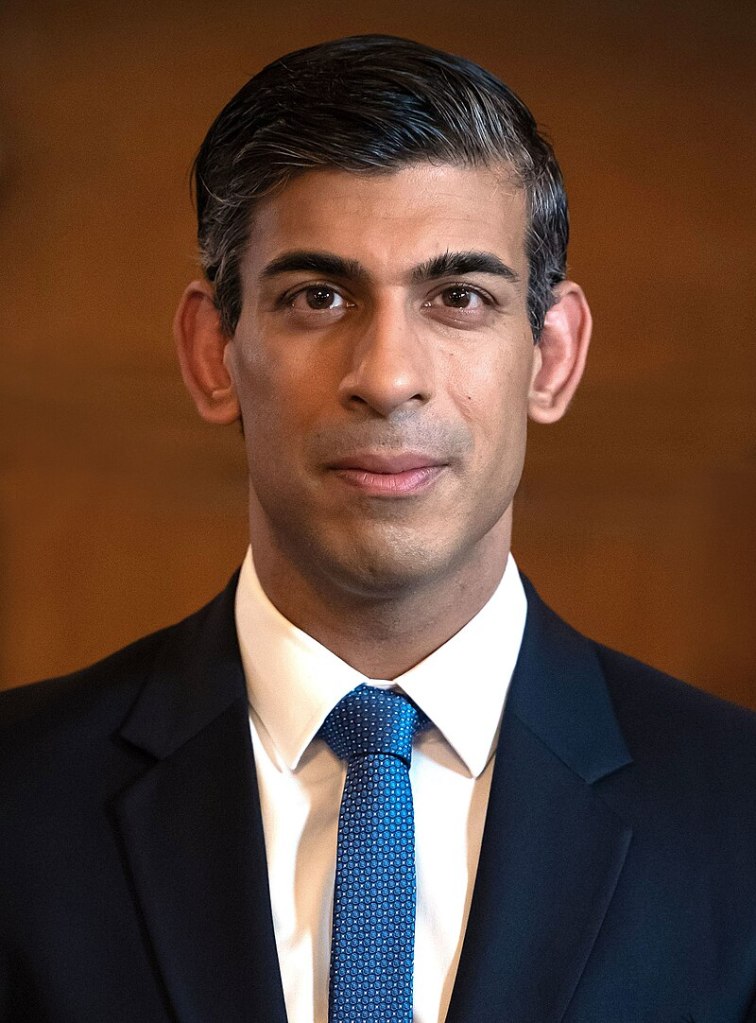
I don’t think there’s another Prime Minister on this list who has been so stunningly useless and lacking in ideas as Sunak. On the one hand, I suppose, that’s a good thing, as he’s not been able to do as much damage as his recent predeccesors (though, judging by the reactionary policies in his 2024 party manifesto, he certainly would have, particularly with his pushing of the Rwanda scheme and removing the UK from the European Human Rights Act, as well as introducing National Service) but it’s also a bad thing as he’s spent his entire time in Government seriously neglecting a suffering population, failing to improve his party’s collapsed reputation and failing to address pretty much any issue you can think of.
He’ll be remembered little ultimately except as the fella that was in charge when the Conservative party suffered it’s worst ever defeat after 14 grim years in Government.
34. ARTHUR BALFOUR (CONSERVATIVE) (1902-1905)
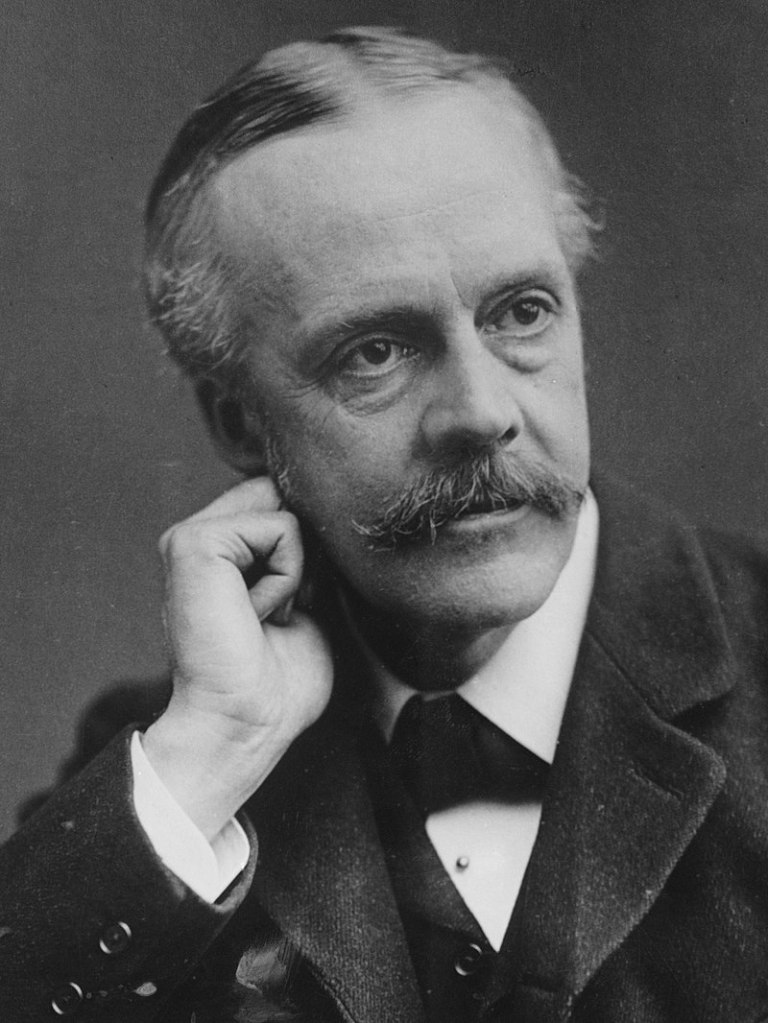
Best known as the author of the Balfour Declaration, which set the stage for the controversial creation of the state of Israel, the fact that Balfour was Prime Minister at one point seems often forgotten.
A rather dislikable and hot tempered figure with various backwards views on race and the working class, a pure product of nepotism due to his Uncle being previous Prime Minister Robert, Earl of Salisbury (which in fact was thought to be the origin of the phrase “Bob’s Your Uncle”), Balfour accomplished little in the top job, his entire 3 years as PM being spent bickering with his own party, split over the issue of free trade, which ultimately resulted in one of the Tories worst ever election defeats in 1906.
While Balfour can’t really be blamed for protectionists in his own party frequently undermining him, his lack of ability to compromise and his own rather poor character result in this low ranking.
33. RAMSAY MACDONALD (LABOUR) (1924, 1929-1935)
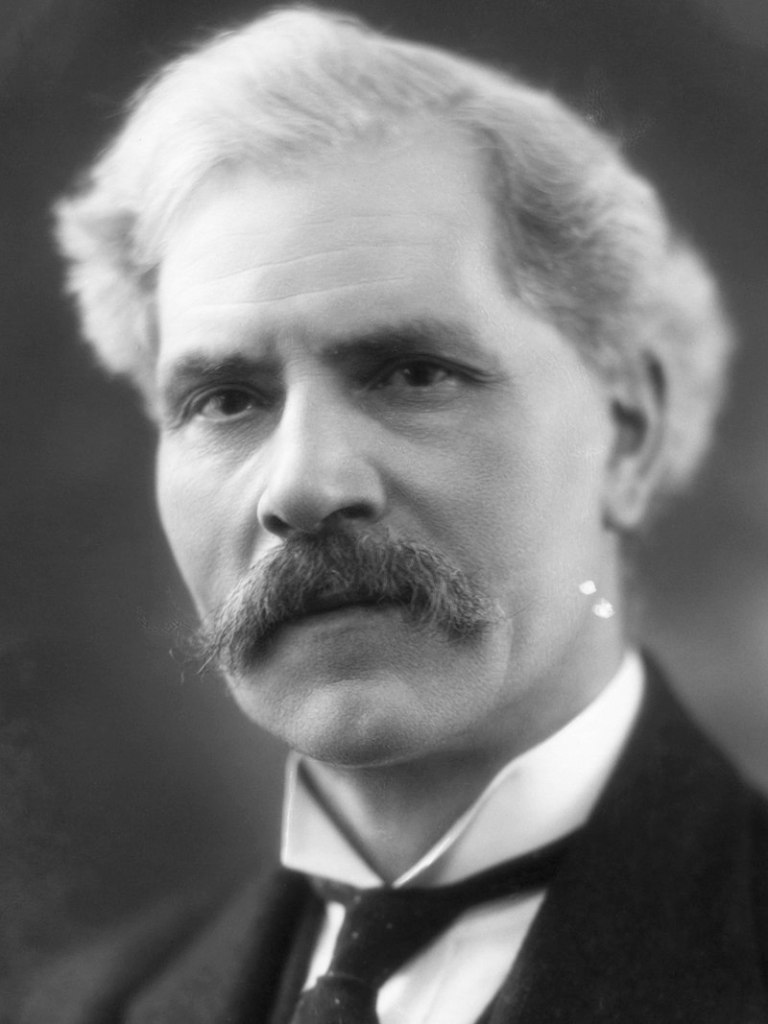
The first Labour Prime Minister (to a point at least) is also one having been labelled a traitor to his own cause.
Having finally been the one to lead the increasingly popular party of the workers (originally founded by Keir Hardie) to Government (albeit only following a pact with the Liberals, twice) MacDonald had two different stints as Prime Minister. His first, in 1924, was forgettable, having passed a few decent reforms before being largely rebuked by the public in the following election. His second, coming into government at the onset of the Great Depression, was rotten. He showed very little imagination and general incompetence at dealing with the global crisis, before deciding to try and selfishly cling on to power via abandoning his own party in 1931, forming a coalition with the Conservatives in order to remain in his post as Prime Minister and leading Labour to electoral destruction in the process.
This act of brazen, egotistical political selfishness helped create and foster a lackadasial and cold response to the increasing poverty and panic caused by the depression, and Britain slid into horrid decline under this dreadful, unopposed coalition’s watch.
32. DUKE OF WELLINGTON (TORY) (1828-1830, 1834)
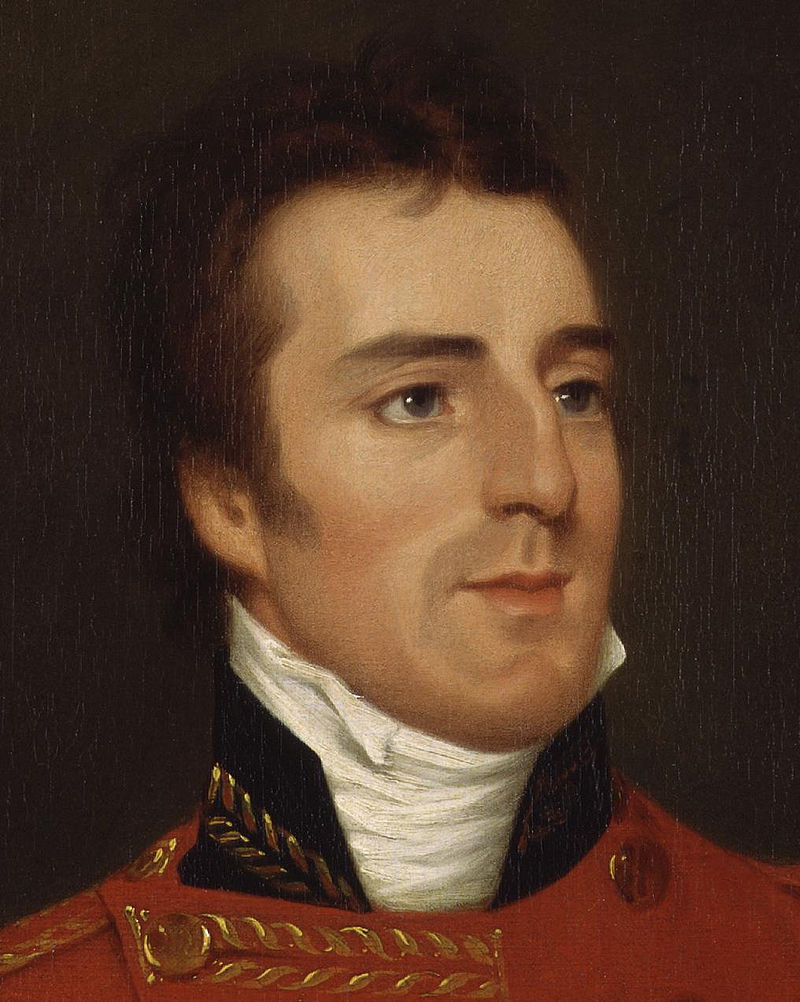
Wellington may be a legend in British military history for his defeat of Napoleon at the Battle of Waterloo, but it’s largely forgotten amidst all the mythologising and tributes to his legacy that he was even ever Prime Minister at all. And there’s a good reason for that.
As PM Wellington was very uninspired and reactionary in some places, just yet another in a long line of anti-reform Tory PM’s who staunchly opposed the expansion of democracy to the electorate.
31. DUKE OF NEWCASTLE (WHIG) (1754-1756, 1757-1762)
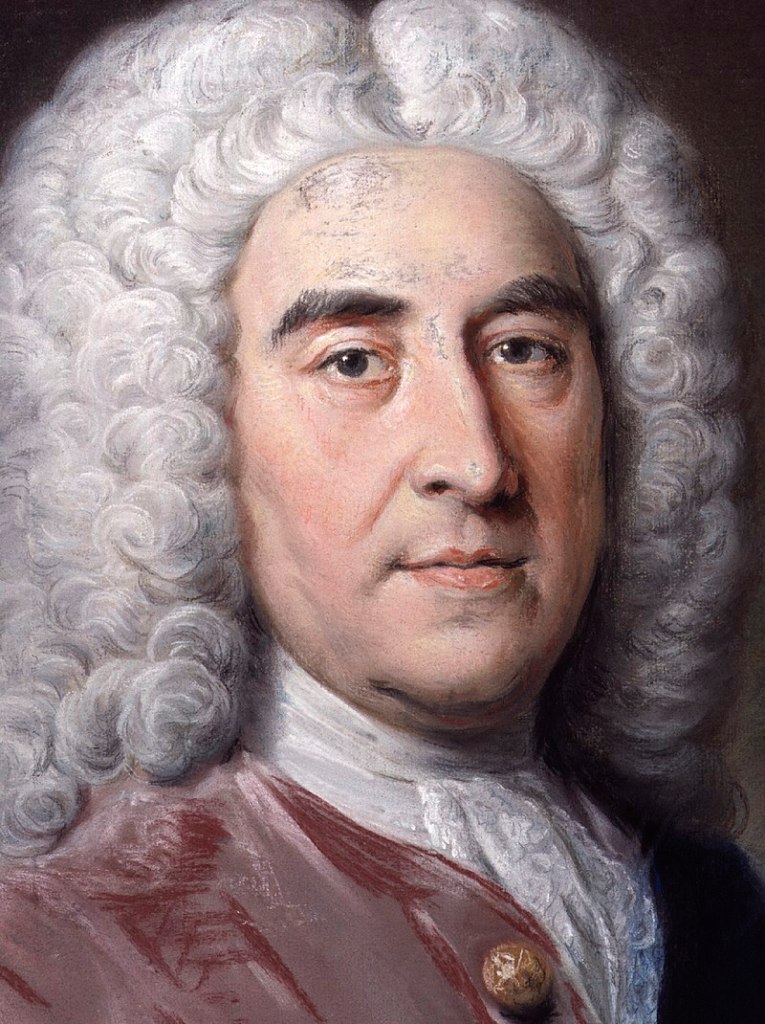
It’s often wrongly assumed that Pitt the Elder was Prime Minister during the Seven Years War (1756-1763), which really says all it needs to say about the bloke who was *actually* Prime Minister during the war.
Accounts at the time largely paint Newcastle as a rather inept, out of touch figure and a product of nepotism. His incompetence at diplomacy with France helped start the Seven Years War to begin with, leading to his original dismissal from the position. What is less known however is that he was officially put back in the position of PM a year later and held the position until 1762. However, he was largely seen as weak and ineffectual with his cabinet deputy Pitt being the main leader and strategist for Britain as the war lumbered on. Newcastle’s second stint as PM saw him as basically PM in name only, as he was simply not trusted with the more complex duties that the war called for at the time.
30. EDWARD HEATH (CONSERVATIVE) (1970-1974)
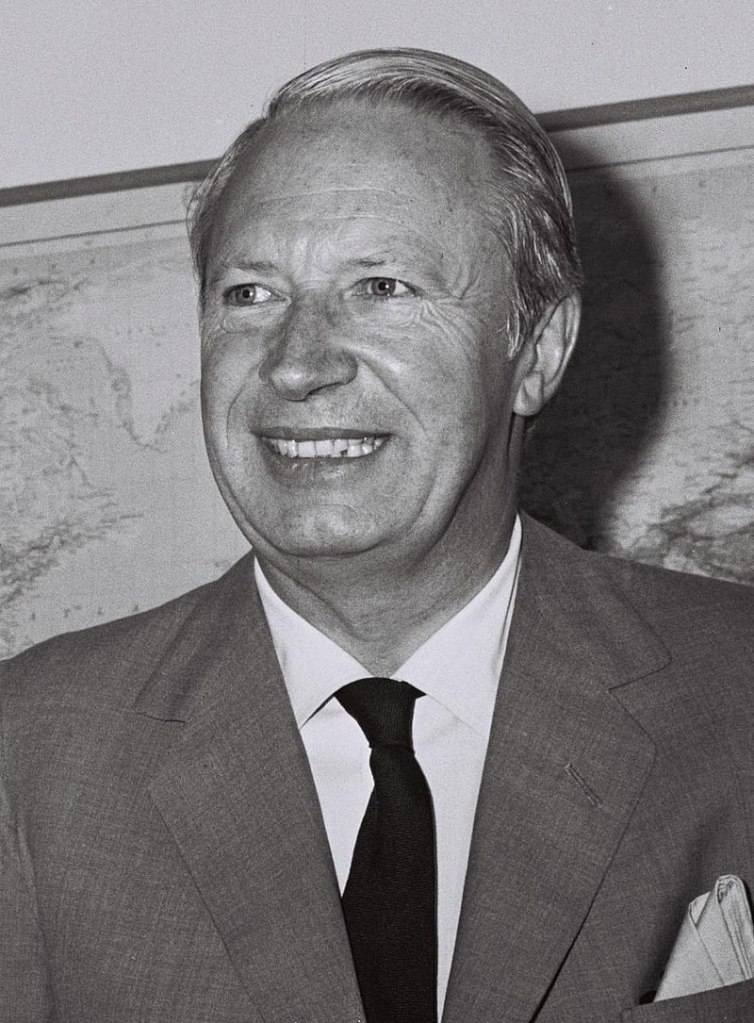
Edward Heath is someone who really should have been a good Prime Minister on paper, but…well, wasn’t. At a period where Britain desperately needed to modernise and was rather stuck in the past with its over-emphasis on state control and bureaucracy, Heath was an admirably and refreshingly non-partisan figure who supported liberalisation of business and growth but still with a focus on social liberalism and worker protection. Much closer to Tony Blair and even Hugh Gaitskell than Margaret Thatcher or David Cameron, he was the right Prime Minister for the future, but arguably at the wrong time amidst a deadly case of class warfare in Britain, with over-powerful and arrogant trade union leadership practically bringing his government and the country to a halt.
A combination of mass strikes and the global oil crisis towards the end of his one term in office created quite a grim picture of Britain, with rapid inflation, a three day week and brutal cuts made to power grids in an attempt to conserve energy. And Heath’s Premiership following his 1974 election defeat to Labour became defined by this grim period, partially caused by his total lack of leadership over the mass strikes. He neither showed tough leadership in dealing with union abuse of power, like Thatcher did, or showed the ability to deal with them with compromise like Wilson did, making the resulting mix of crises worse than they needed to be as a result.
His one accomplishment in otherwise grim 4 years in government was to finally end a decade of division and officially oversee Britain’s entry into the European Union.
29. THERESA MAY (CONSERVATIVE) (2016-2019)
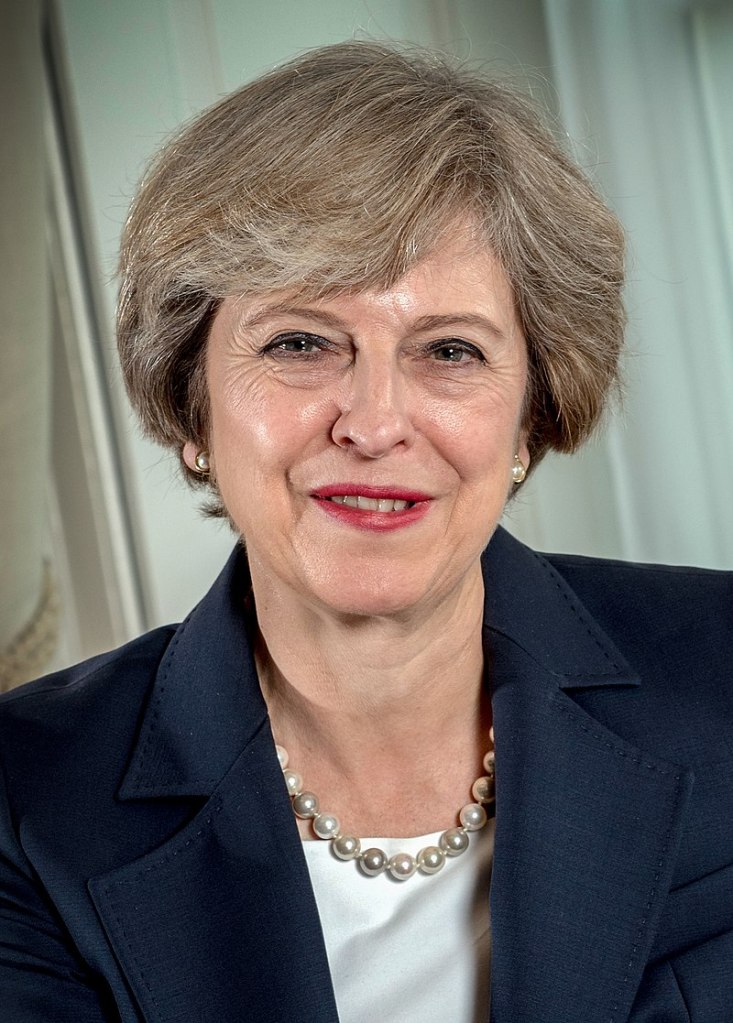
From the man who oversaw Britain’s entry into the European Union to the woman who spent her entire 3 years in Government unsuccessfully trying to get us out of it, May’s Premiership was an absolute farce of poor leadership and serious division. It’s saying something then that she’s somehow the least bad Tory Prime Minister of the horrifically grim last 14 years. Unlike her contemporaries, it did actually seem like May cared somewhat about the country she was in charge of and did seem to genuinely want to take her party away from the unrelenting austerity of the Cameron years, and under different circumstances she may have been a decent enough Prime Minister.
But Brexit and her own poor ability to connect with the public (as demonstrated by a very poor, robotic 2017 election campaign which helped, along with the surge in support for Jeremy Corbyn, cost her her parliamentary majority) saw her seriously struggle in the position. When attempting to put through a deal to get Britain out of the EU, she failed to compromise at all with those wanting a Soft Brexit that kept Britain in the Common Market, while also failing to completely please the toxic, opportunistic and divisive hardcore Brexiteers in her party who wanted the break from the EU to be more clean (disastrously), despite attempting to pander to them as hard as possible.
With her repeated Brexit deals pleasing absolutely nobody, she ultimately oversaw Britain becoming bitterly divided between leavers, remainers who wanted Brexit cancelled completely and people in the middle who just wanted the whole thing over and done with, which ultimately (along with Corbyn’s own disastrous and dithering leadership on the issue in his own party) help hand the Premiership to Boris F’ng Johnson and an unsatisfactory deal being rammed through by his new majority as a last resort. And thus despite her positive qualities her poor leadership at such a crucial time for Britain still leaves her with a lot of responsibility for where we are today.
28. JAMES CALLAGHAN (LABOUR) (1976-1979)
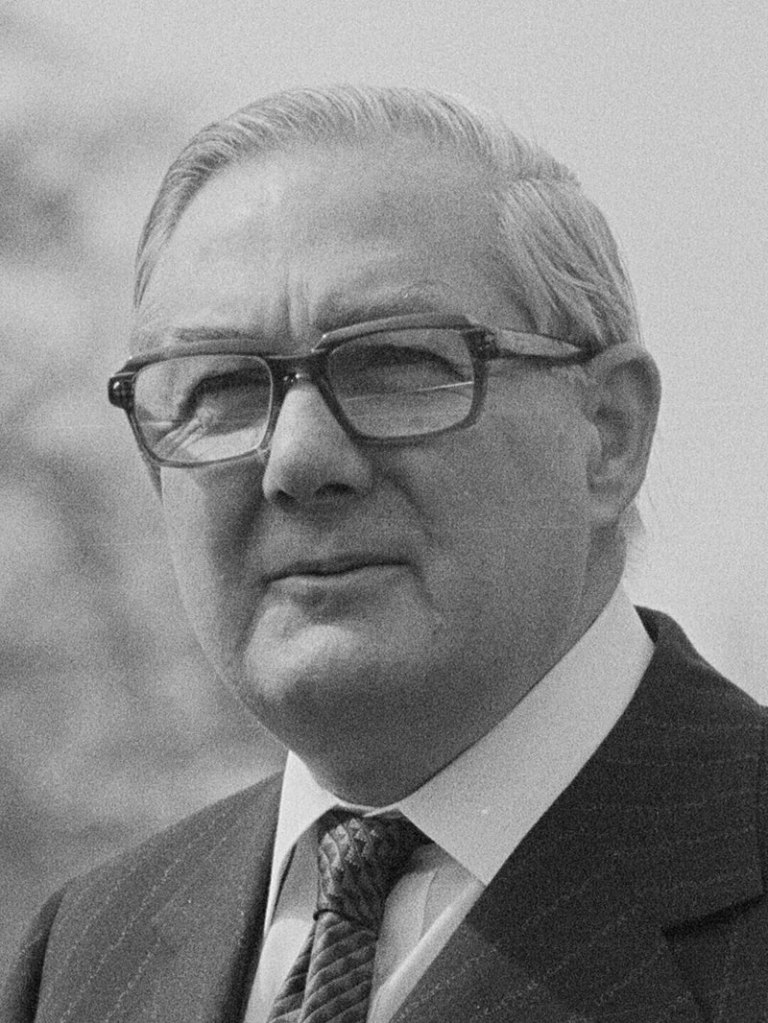
The Jimmy Carter to Margaret Thatcher’s Ronald Reagan (funny how our politics seem to run hat-in-hand with the US’s innit), there’s very little to really say about Callaghan’s painfully uninspiring and unimaginative leadership which, along with other weak leadership through the numerous economic problems of the late 60’s and 1970’s, was responsible in paving the way for Margaret Thatcher and Thatcherism.
While Callaghan did do an effective job of bringing down inflation, like Heath he was furiously stuck in a position of trying to please everyone over the troublesome unions and the disorder that was coming from the attempts to move on from the decaying mining industry. He pissed off the unions and created more strikes on the one hand, with his foolish attempts to control wages, and showed weak leadership during the strikes on the other, all culminating in the infamous Winter of Discontent of 1978-79, a winter of mass strikes that saw rubbish piled up all over the streets of Britain due to the bin men downing tools.
It was this that lead to the public, aching for some sort of a change, swingin to Thatcher in the 1979 election, and leaving an increasingly out of touch and behind the times Labour in the wilderness for 18 years.
27. MARGARET THATCHER (CONSERVATIVE) (1979-1990)
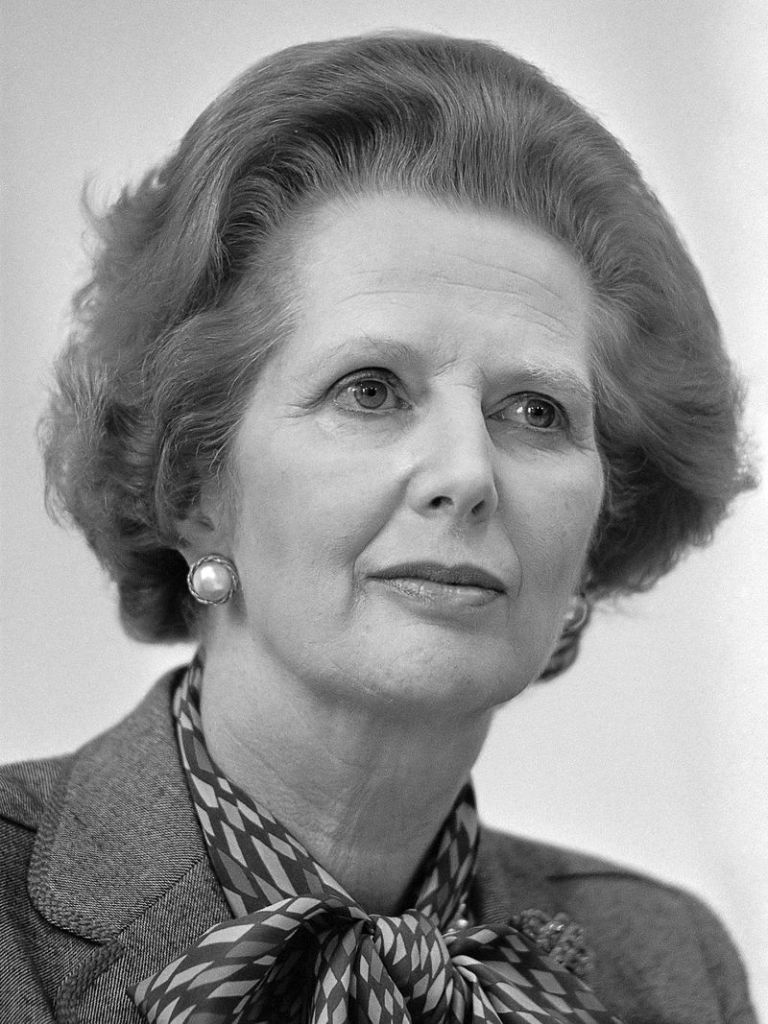
Jesus this was an impossible one to rank. I changed it a few times. When I started this list, I thought I’d probably be taking a balanced view and ranking her in the middle, which would reflect the polarised opinions on her well enough. The more I learned about her though, the more in-depth I went, the more I thought about how much misery she caused in the North, including my own home town, I seriously considered putting her comfortably in the bottom 10 and even dead last. But then the more thought I put into rating her objectively, especially in comparison to so many weak and even more terrible/self-serving “leaders” we’ve had, I settled on ranking her overall as “poor”.
The difficult thing about judging Thatcher is that for many parts of the country, particularly the South of England, she was great. Following the chaos and economic troubles of the 1970’s, and the general problem of Britain sinking into “the sick man of Europe”, it’s undeniable many aspects of the British economy and prestige were better after Thatcher. Many of her economically liberal policies and easing of the extreme tax burdens, while still remaining largely faithful to some key aspects of the welfare state, helped revitalise a boom in certain aspects of British society and business, making it understandable why she managed to keep a strong coalition of voters that helped her win re-election twice, albeit partially helped by the left being split between an unpopular Labour party and the third party Liberal Alliance that actively helped give her unchecked power. She does also deserve credit for her leadership during the Falklands War, which in my opinion was a clearly necessarily defensive war to save essentially a part of Britain from arrogant Argentinian occupation.
It says a lot then that despite all those positive accomplishments, being the right leader at the right time for Britain in many ways, that she ranks this low, and that’s because the list of bad things she did is……long. Very long.
The main thing is that her economic revitalisation came at the cost of mass unemployment, disgraceful numbers of poverty, ruined communities and social unrest. Ultimately, Thatcher was a right wing ideologue who spouted a cold, uncaring view that there was “no such thing as society”, that individuals are divided into aspirational strivers and lazy scroungers, something that she became open with expressing publicly the longer she stayed in Government with unchecked parliamentary majorities. The more her power went unchallenged, the more she enacted policies without a remote care for who it affected. While it was necessary to close the mines and move on from a failing and dated industry, the ruthless and swift way in which she did it, without a remote plan for all the workers, resulted in unprecedented social unrest and the Miners Strike of 1984-85, which she also dealt with in a brutal and uncompromising manner. It also lead to near record high levels of unemployment and poverty not seen since Dickensian times, particularly hitting the ex-mining communities hard. Her cruel policies towards the working class ultimately resulted in the “Poll Tax”, a community charge that would result in the poorest and richest in society all paying the same high taxes and which was so extreme and unpopular it resulted in her downfall, with her own party forcing her resignation.
Her divisive streak didn’t end there though. Her policies towards Ireland were uncompromising and cruel in the extreme, helping further inflame tensions and lead to even further IRA terrorism than there already was. She demonised immigrants in an attempt to pander to fringe National Front voters. She demonised homosexuals, buying into fearmongering about supposed indoctrination of “homosexual ideology” in schools, leading to the abhorrent Section 28, which she passed to ban homosexuality from even being mentioned in the context of being a normal thing in schools.
Ultimately, Thatcher’s legacy is of being a bit of a necessary evil for the time that she took power, but an evil nontheless, and her legacy for many in the North of England, Scotland and Ireland remains one right up until today of division and selfishness, not using Britain’s new economic advantages to help the poor and working class, but only the rich.
26. TONY BLAIR (LABOUR) (1997-2007)
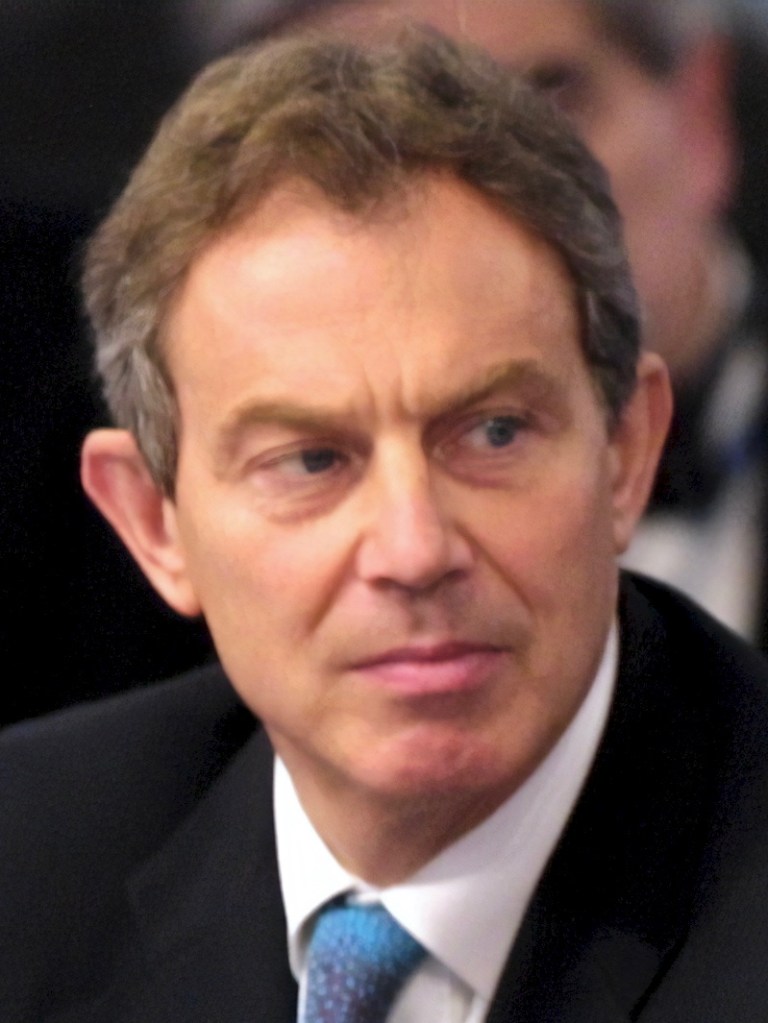
Iraq.
That one word sums up what Tony Blair’s lasting legacy is, and it will always (deservedly) overshadow anything else he did in his long decade as Prime Minister. The decision to jump right on board with George W Bush’s reactionary hegemonical US Government in pushing hyperbolised propaganda to justify a stupid, reckless and straight up illegal invasion of Iraq will forever be a stain on Blair’s character until the day he dies and beyond. One of the most imperalistically pig headed, arrogant and stupid decisions ever made in world history, the invasion of Iraq and toppling of Saddam Hussein had far reacing consequences from the total destablisation of an entire region of the globe, a country torn apart by never ending warfare ever since, hundreds of thousands of military and civillian deaths and the rise of ISIS. While most NATO countries refused to be swayed by the US’s outrageously unconvincing and dishonest propaganda of “weapons of mass destruction” and a supposed alliance with Osama Bin Laden, Blair lived up to his increasing reputation as a US-loving lapdog by parrotting the Bush/Cheney propaganda himself and getting the UK involved in the quagmire, which as many predicted proved to be one of the biggest disasters and crimes in modern history.
What makes this all the more infuriating is that without such a seriously abominable stain on his record, Blair would undoubtedly be regarded as at least a very solid Prime Minister, if far from the greatest. A refreshingly non-partisan politician and a total political genius with an often remarkable ability to leave his opponents in the dust with little answers, Blair certainly didn’t represent much of an alternative to Thatcherism but did manage to more strongly redistribute the economic gains of the last decade towards the less fortunate.
On the one hand, Blair’s “New Labour” deviated so far from Labour values that they continued a lot of the long reaching damage of Neoliberalism, accepting some convoluted policies on privatisation of the NHS and going along with deregulation of the banking sector, both of which had far reaching bad consequences in the long run, as well as remaining in vogue to numerous oligharchs and retaining restrictions on unions.
On the other, they in general had a good mix of freedom of business and politics which benefited poor and working people. Impressively, New Labour (in the short term) managed to have the NHS running better than ever before in its history with continous spending, along with increased spending on public services and welfare, while also keeping national debt and borrowing low and driving up both wages and GDP growth, and overseeing a marked reduction in poverty from the 80’s and 90’s.
Combined with several non-trivial social reforms such as great improvement of LGBT rights (including the repeal of the ghastly Section 28) and Scottish/Welsh Parliamentary devolution, a greater acceptance of immigration and a commitment to tackling the global threat of Climate Change, the period of the late 1990’s and 2000’s before everything imploded with the 2008 Global Financial Crisis may be the best overall time to be a citizen of Great Britain, especially with the key moment of the Good Friday Agreement which, with great credit to Blair, finally brought peace to Ireland and brought an end to IRA terror acts.
But overall, Blair’s 10 years in charge can be summed up as The Good, The Bad & The Ugly, and it is still difficult to assess, not in the least because of Iraq.
25. H.H. ASQUITH (LIBERAL) (1908-1916)
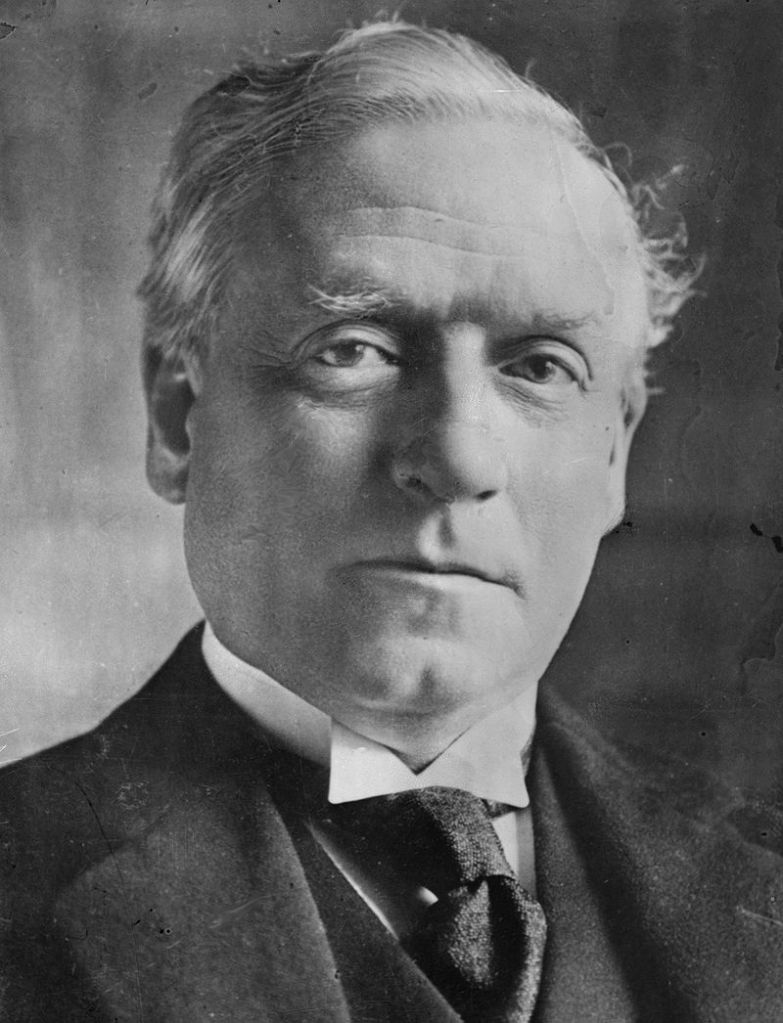
Of the three Prime Ministers of the era of Liberal Reform from 1905-1922, Asquith was certainly the worst and least effective.
Mainly his eight year tenure as Prime Minister can be separated into three different periods, each worse than the previous one.
His first two years, in which he inherited one of the biggest ever parliamentary majorities from Henry Campbell-Bannerman, saw him continue to push through many important welfare policies to protect working people, such as the Labour Exchanges Act to help people into employment, bills that helped tenents get greater standards of living and freedom from Landlords, and important education reforms.
His second, after the hung parliaments of 1910, saw him struggle to pass any more real reforms and was generally seen as a PM in name only at this stage. All while strongly opposing women’s sufferage despite the huge rise in movements demanding votes for women.
Then of course there’s the period that really hurts his legacy, that being World War I. Asquith’s leadership as Prime Minister during the war was quite frankly heinous, authorising numerous failed and disastrous military operations and war crimes, as well pushing ludicrous propaganda to get people to fight for a meaningless war, and eventually introducing harsh levels of conscription. Not all of the rotten leadership of WWI was down to him, to put it lightly, but ultimately he was forced to resign as public opinion turned against the pointless reckless slaughter of the whole mess by 1916, and his government’s horrific handling of the Battle of Gallipoli in particular lost him a lot of favour in parliament.
24. LORD JOHN RUSSELL (WHIG/LIBERAL) (1846-1852, 1865-1866)
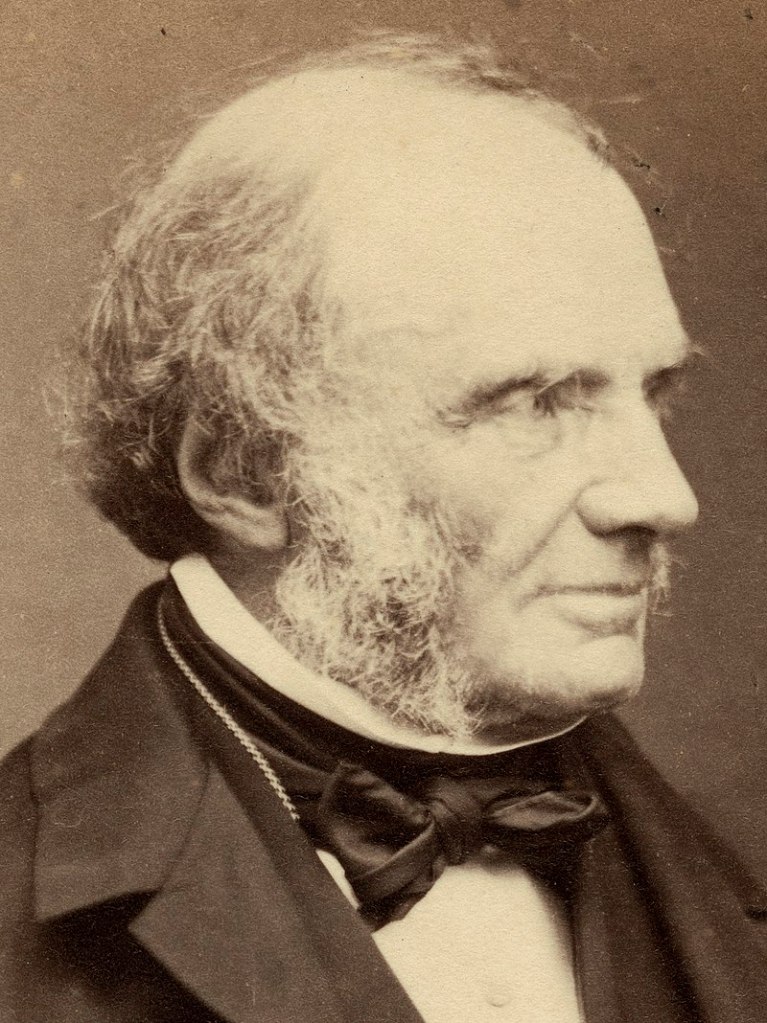
Quite a great many PM’s on this list had awful to mediocre policies when it comes to Ireland, but this man was the worst of the lot without a doubt. During his first tenure as PM, as the infamous Great Irish Famine was raging on and getting worse, Russell’s response was essentially to ignore it. He tried a few half hearted responses which failed, before giving up as early as 1847. His inaction on Ireland essentially resulted in one of the worst cases of criminal negligence by a government in the last 200 years, as the famine wiped out over 1 million of Ireland’s population due to either death or emigration.
This horrendous and uncaring act alone (which began the long, bitter struggle of Irish republicanism and eventually independence for what is now the Republic of Ireland) alone drops him very far down in the rankings, despite actually otherwise being a decent PM domestically at times, passing major reforms for working hours and healthcare.
His 2nd stint as PM after the death of Palmerston also isn’t much to write home about, being dominated by bitter party disunity and resulting in a long awaited and thankful return to Government of the Conservatives after a full decade of reactionary, nationalistic Liberal rule.
23. EARL OF ABERDEEN (PEELITE) (1852-1855)
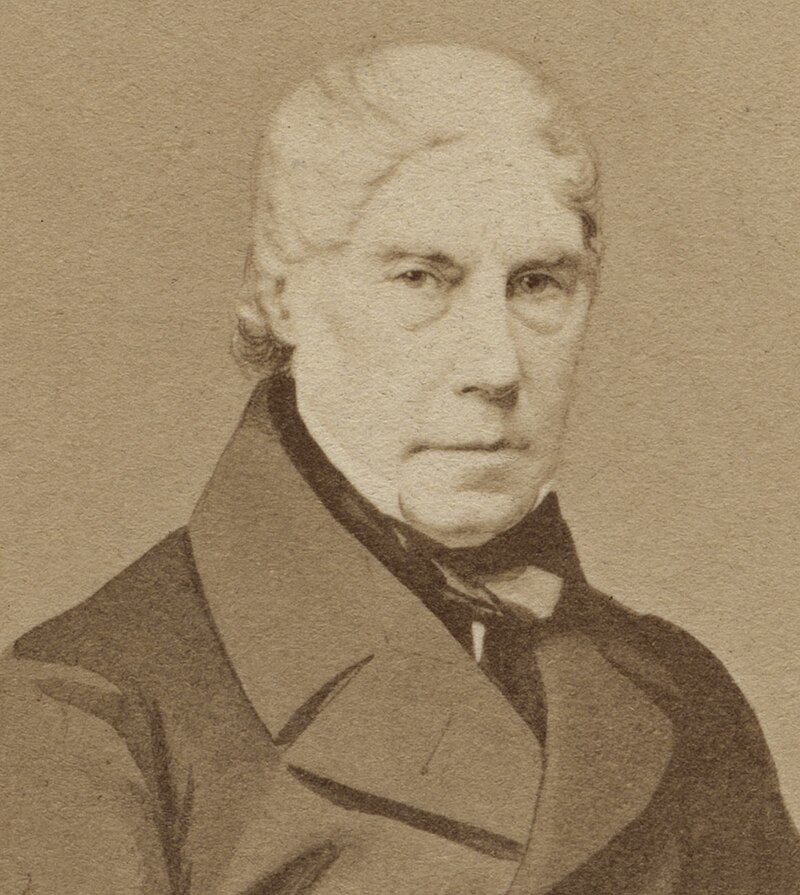
We’re now at the point where we are moving on from the really bad Prime Ministers onto the simply quite bland and forgettable ones of whom there isn’t much to say about at all.
Aberdeen from multiple accounts of the time seems like a decent man of really good character, and bi-partisan as well as a Peelite Conservative who largely had a cabinet made up of Whigs. But he showed extremely weak leadership throughout his 3 years as PM at attempting to handle the different nationalistic forces in his cabinet (particularly Palmerston), and this resulted in Britain falling into the ungodly stupid Crimean War, along with continued persecution of the disgraceful Opium Wars against China. His lack of real leadership on any of these issues resulted in his forced resignation and the rise of his rival Palmerston to power, and thus the “golden age” (from the point of view of extremist nationalists at least) of brutal British imperialism.
Also among the shortest serving Prime Ministers ever, Goderich’s predecessor, there’s literally nothing much to say about Canning, except that as Prime Minister he agreed to avoid discussing parliamentary reform, struggled to form a cohesive government much like Goderich, and then died just 4 months into the job.
Canning has a far better legacy as Foreign Secretary, where he gained plaudits for his impressive handling of the Napoleonic Wars.
22. HENRY ADDINGTON (TORY) (1801-1804)
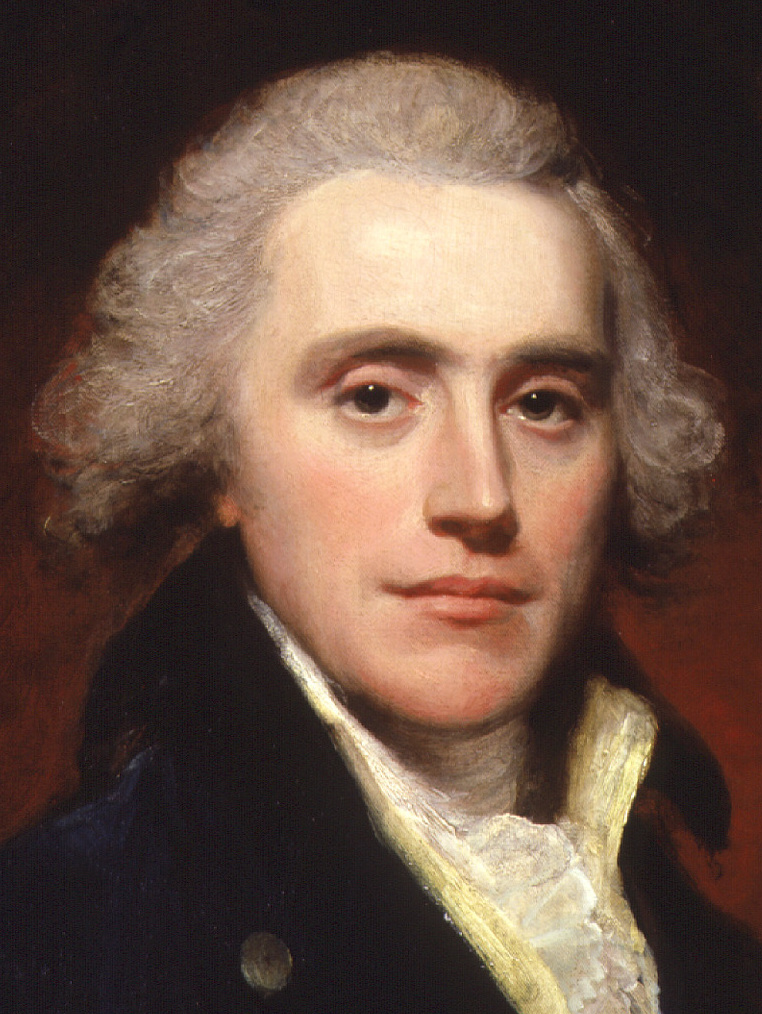
An entirely dislikable and unpopular figure in British history due to his horrendous and reactionary tenure as the Earl of Liverpool’s Home Secretary, where he played a big part in cracking down on any attempts at reform and protest, there’s a lot less to say about Addington’s mediocre 3 year tenure as Prime Minister, serving in between 2 separate spells of William Pitt the Younger.
His foreign policy positions towards Napoleon’s France were quite sensible and logical for the time surprisingly, but other than that he got little done before being forced from power.
21. DUKE OF PORTLAND (WHIG/TORY) (1783, 1807-1809)
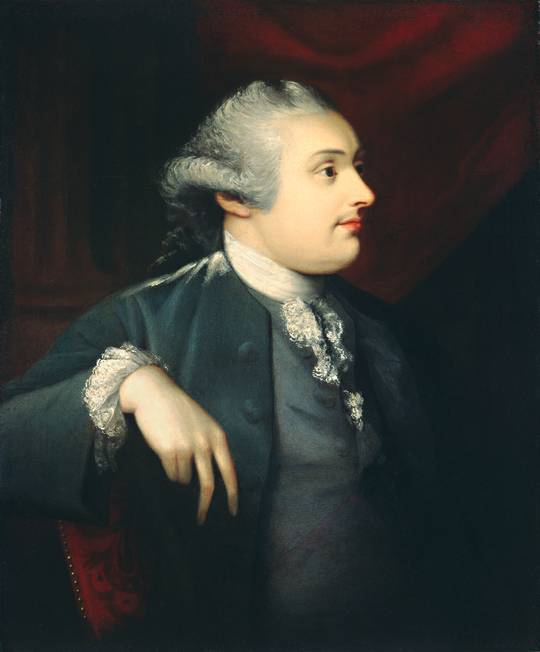
The only Prime Minister to have switched political parties between his two stints as Prime Minister, I have incredibly little to say about Portland despite the overall fair length of time he spent as Prime Minister in his second spell (as a Tory) between 1807-09, his first time being a mere few months back when he was a Whig in 1783. He primarily comes between the highly influential (for better or worse) Premierships of Pitt the Younger and Lord Liverpool. He showed little leadership and embodied the early idea of a Prime Minister as a bland servant and administrator for the King.
20. MARQUESS OF SALISBURY (CONSERVATIVE) (1885-1886, 1886-1892, 1895-1902)
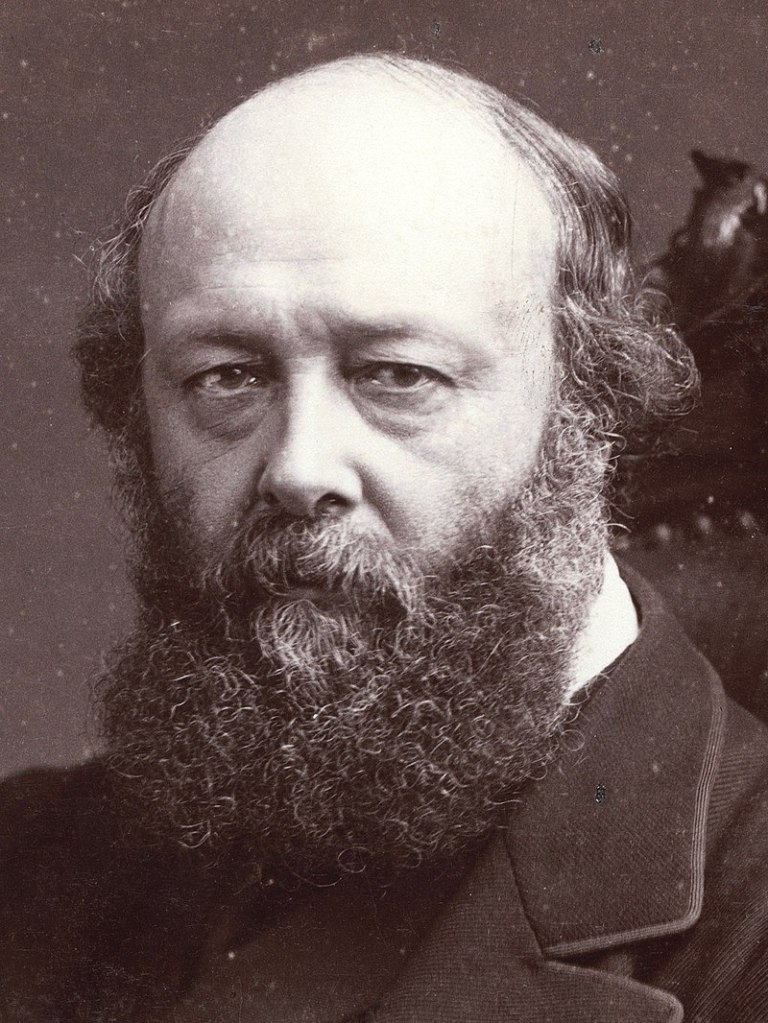
Another Prime Minister and political giant of his era who’d likely get into my top 10 were it not for one, massively non-trivial crime that is impossible to overlook. And that is the Boer War of 1899-1902. An infamously reckless and rotten quagmire which saw Britain responding to a colonial rebellion with a stubborn war effort and acts of horrific brutality, including the original use of Concentration Camps. More than anything else in the awful history of the British Empire, the Boer War remains a dark, dark, shameful stain on our history, Britain’s own Vietnam, and while Salisbury was by no means the main man in charge of the atrocities and senseless squandering of British troops, he was Prime Minister during the entirety of the war and authorised a lot of the general prosecution of the war with no attempt at compromise.
As with Blair, the Boer War is seriously enough to seriously plummet Salisbury down the rankings despite him otherwise being a great Prime Minister. The last Conservative Prime Minister to really embody the party’s old classical liberal views, Salisbury came to power accepting the economic theory of Laissez-Faire but admirably argued for what small government power there was be used to address social ills, such as the poor conditions of working people, and bravely facing down the silly accusations of “state socialism” in order to get bills passed that forced standards for working conditions on businesses. It was this admirable non-partisanship and integrity when it came to these issues that earned him the admiration of future Labour party Prime Minister Clement Attlee.
19. WILLIAM PITT THE YOUNGER (TORY) (1783-1801, 1804-1806)
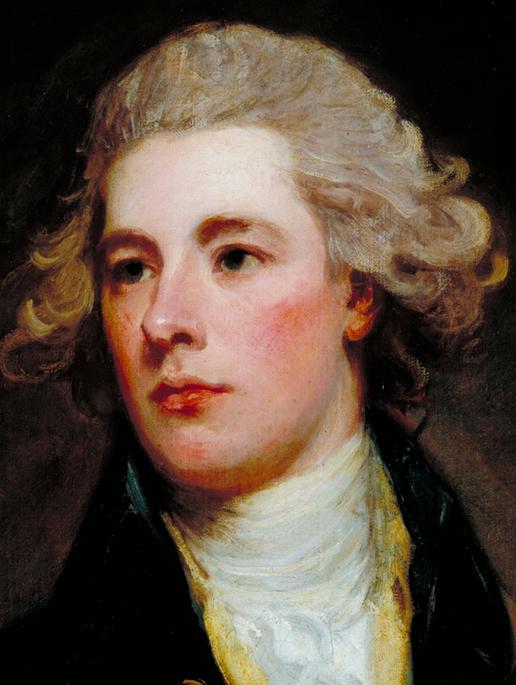
Often regarded as one of Britain’s greatest and most successful Prime Minsters, I cannot objectively and in good conscience rate Pitt the Younger higher than this. The more you dig into his incredibly long (far, far too long) 2 whole decades in power, and with more power than a Prime Minister ever had before him, the more you find some truly nasty elements there that make you realise that too much unchecked power is a very bad thing.
Pitt was a masterful, charming orator and in many ways a real reformist, using his position and influence to manage to get some major changes to British society at the time that were highly controversial but the right thing to do, primarily the abolition of the Slave Trade and the long-debated issue of Catholic Emancipation, which ended a long, bitter and shameful legacy of Catholic persecution that dated back to Tudor times as an overreaction to the Church’s prior corruption.
On the flipside, there’s many terrible things about Pitt’s long era. While a major reformist in some cases, he was also a hardcore, nationalistic reactionary on the other. His overt loyalty to King George III and general contempt for the lower classes saw him effectively turn Britain into a surveillance state, with numerous “spy networks” that Stalin would admire. He also embroiled Britain in an abominable, Vietnam-esque war against Haiti in the midst of their rebellion against colonialism, which much like the Boer War saw an unprepared and incompetent military unprepared for the conflict as well as committing numerous atrocities. His 2 decades as PM were overall quite an odd mixture of reformist idealism and reactionary backsliding.
18. GORDON BROWN (LABOUR) (2007-2010)
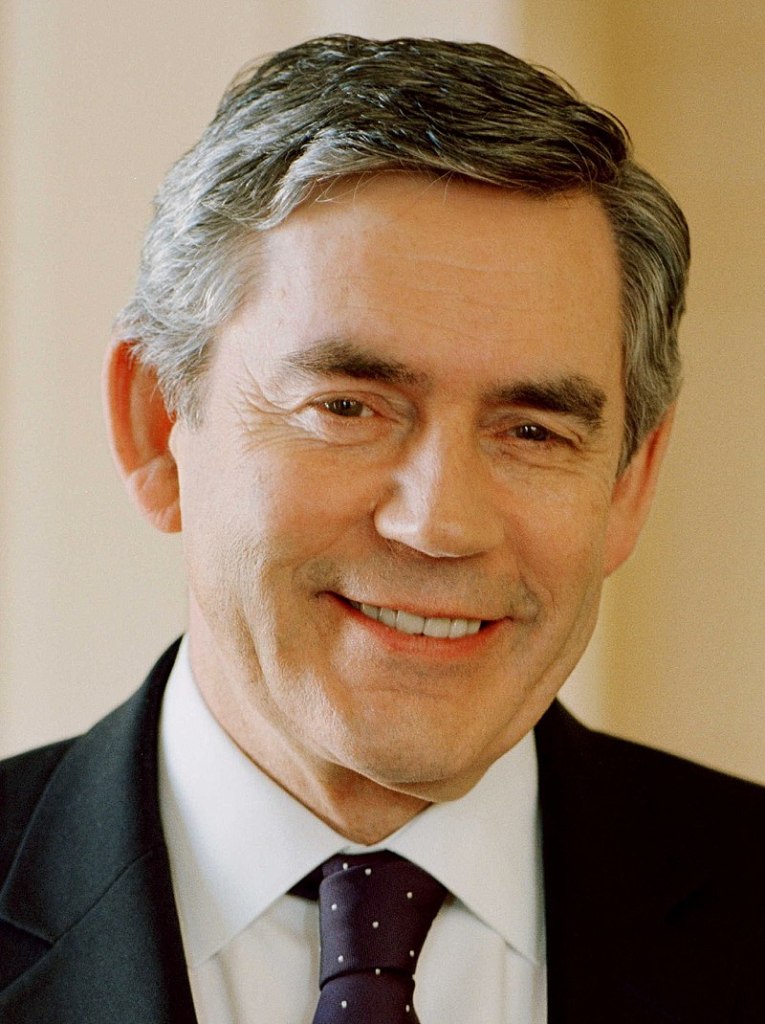
In many ways the right Prime Minister at the wrong time, Brown was an empathetic and intelligant man who still exudes statesman qualities when he shows up in the media today and despite his unpopularity at the time seriously looks positively brilliant compared to the succession of reactionary clowns we’ve had since Labour lost power. In his time as Prime Minister, however, he struggled to gain public approval for a number of reasons.
While his lacklustre communication skills compared to his former boss especially played a big part in it, a bigger reason was failing to escape the image as a tiresome, predictable continuation of a Labour government people had long grown tired and resentful of, thanks to the Iraq War and numerous overtly authoritarian measures taken to “combat terrorism” in an emulation of the US. Brown did little to challenge these perceptions, and it didn’t help he’d been seen as Blair’s “chosen” political successor for years before he was finally appointed.
While Brown suffered from too close of an association with Blairism however, and a lack of real vision when voters desperately wanted change, Brown in hindsight does deserve real credit for leading Britain through the 2008 Global Financial Crisis with some competency, in fact being the primary architect behind the global plan to save the banking system (though badly let down by a failure to prosecute the corrupt bankers afterwards) while coupling that with admirable schemes to assist people who had lost their jobs/homes and reducing poverty and coming up with an idea for a fairer tax system (sadly unfulfilled due to his successor’s cruel cronyism).
17. JOHN MAJOR (CONSERVATIVE) (1990-1997)
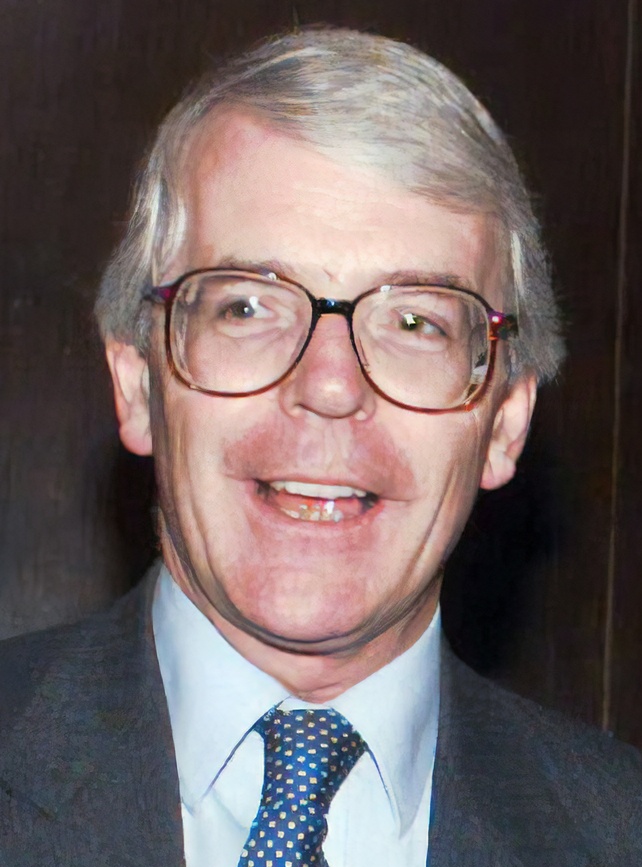
It really says a lot about how rotten our leaders have been in modern times that John Major, in my opinion at least, ranks highest out of any Prime Minister since 1970.
That still isn’t to say Major was anything special. In fact, his lack of any real vision to address some of Britain’s more depraved issues of inequality failed to distance himself enough from the stoic individualist ideology of Margaret Thatcher, and at least partially contributed to the Conservatives total electoral wipeout in 1997, which brought Major’s Premiership to a seriously embarassing end. It didn’t help either that he oversaw the disastrous economic crash of “Black Wednesday” over a nonsensical spat with Europe, which also wrecked the Conservatives economic credbility.
With hindsight though, and especially when compared to the cruelty of Thatcher and the pile of total scumbag corrupt fuckwittery that the Conservatives of the last 14 years have been, Major’s Premiership has aged remarkably well in comparison.
It’s often forgotten now, but at the beginning Major’s appointment as Prime Minister was a huge boost for the increasingly unpopular Conservatives. Managing to put a “human face” Thatcherism, combining the free market ideology with a more socially liberal, pro-Europe outlook, Major instantaneously turned around the Conservatives previously dire approval ratings, and his own stronger popularity to the tired Neil Kinnock undoubtedly contributed hugely to the surprise Conservative win in the 1992 election, even in the midst of a minor economic crisis and increasing unemployment.
Unfortunately for Major, numerous events largely out of his control saw his initial freshness and popularity undone, not helped by Black Wednesday, and saw the Conservative party collapse around him. He was repeatedly backstabbed by his own loony right wing MP’s over their ridiculous hostility towards the European Union, and members of his Government were also constantly embroiled in rather petty tabloid scandals that were nevertheless blown out of proportion. This saw him looking incredibly weak and struggling to control his own party, even though these attacks were largely something he couldn’t control. All while his New Labour opponents presented more fresh and progressive ideas than what he could muster up.
But Major if anything deserves a lot of credit for continuing to try to do his job in the face of such repeated, cynical backstabbing by his own party, overseeing a strong economic recovery from the early 90’s troubles and starting the Northern Ireland peace process, which he seldom gets credit for.
16. STANLEY BALDWIN (CONSERVATIVE) (1923-1924, 1924-1929, 1935-1937)
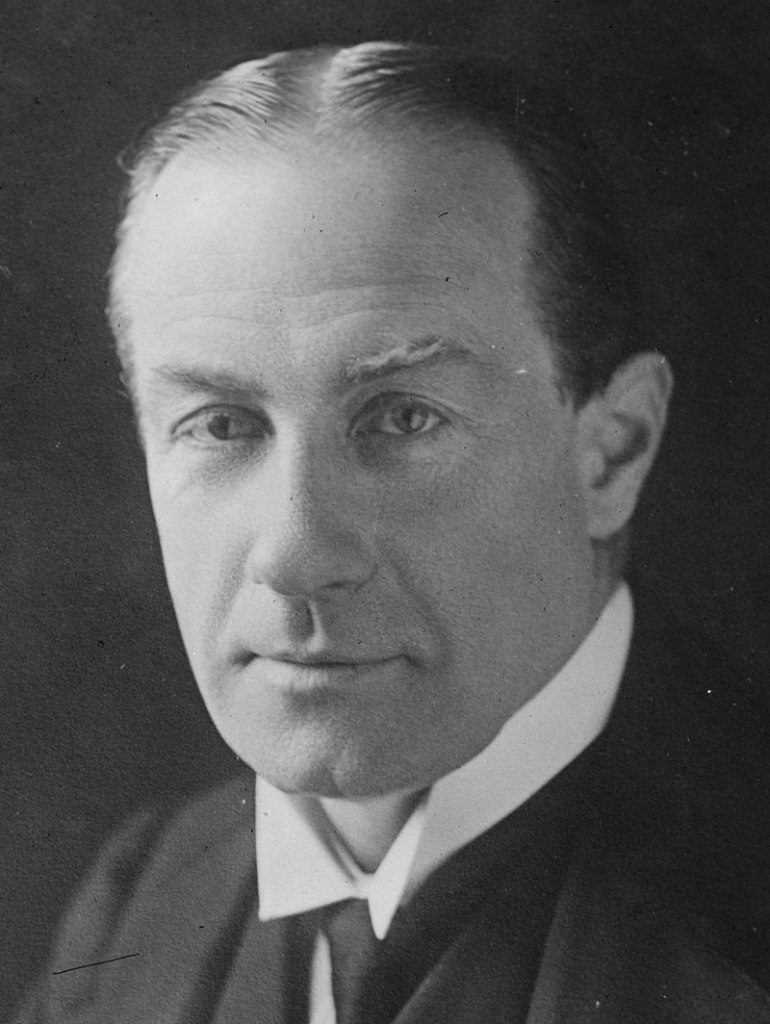
Someone I think gets underrated a fair bit, Stanley Baldwin is often a PM associated with mainly negative things, namely the grim 1930’s recession and being one of a succession of Tory Prime Ministers who chose to pursue the incredibly naive policy of appeasement towards Hitler.
These are, however, associated totally with brief 3rd stint as Prime Minister in the 30’s, as well as his role as Coalition partner to Ramsay MacDonald in the years previous. I actually think Baldwin from his first full term as PM from 24-29 was a solid and surprisingly reformist Prime Minister, who managed to balance his conservative economic beliefs with social liberalism quite well on a general level. It may surprise you to know that the 20’s Baldwin Government introduced Unemployment Insurance, expansions in maternal care, childcare and pensions and strong policies to clean up Britain’s slums. He was also capable of showing pragmatism when told so by the electorate, such as abandoning his original hardcore protectionist leanings after his loss in the 1923 election.
I believe without him going along with the damaging status quo of the 1930’s in numerous ways, he’d probably rank a few places higher on here.
15. SIR ROBERT WALPOLE (WHIG) (1721-1742)
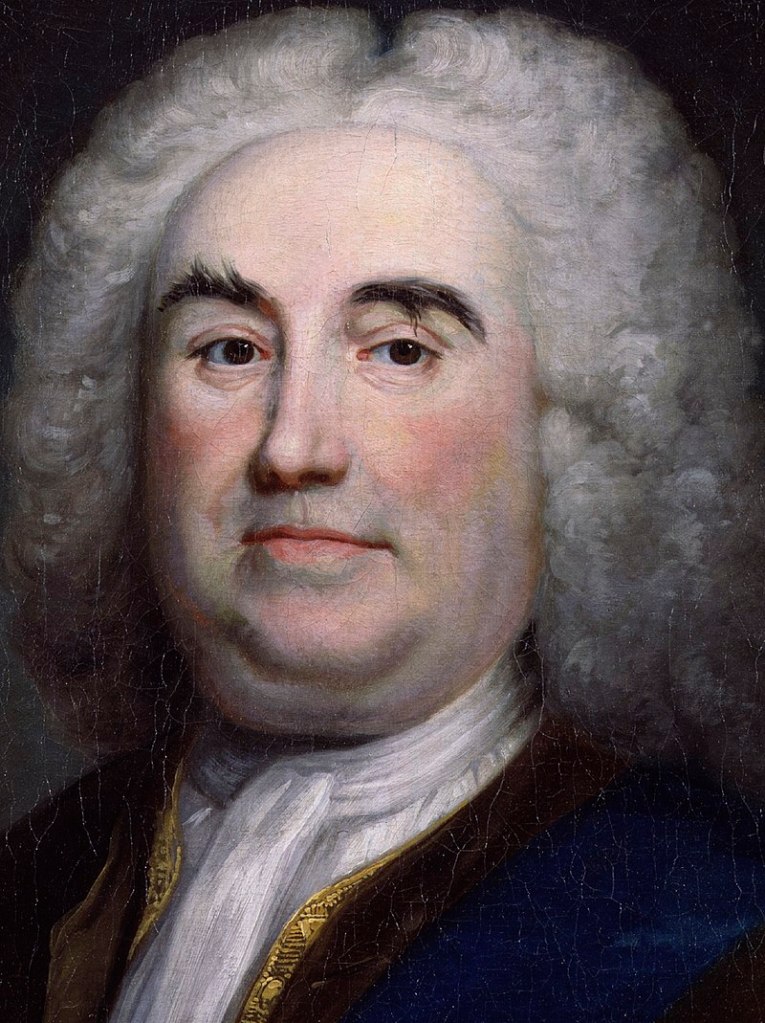
The very first politician recognised as Britain’s Prime Minister (in an era, albeit, where the monarchy still primarily held the power, while seeking the advice of parliament and elected representatives), Walpole pretty much created the position of Prime Minister through his sheer force of personality and his lengthy dominance over parliament across 2 decades.
Considering he was such an important figure in British political history however, there’s surprisingly little to say about Walpole compared to others who’ve held the position, beyond his incredible personality and masterful political skills.
His major accomplishments were getting through policies to massively reduce Britain’s debts, and generally pursuing an unusually peaceful and diplomatic foreign policy by the standards of the era.
All decent accomplishments for sure, but ultimately Walpole was in power too long, enough for his administration to be undone by rampant scandal and corruption towards the end.
14. HAROLD WILSON (LABOUR) (1964-1970, 1974-1976)
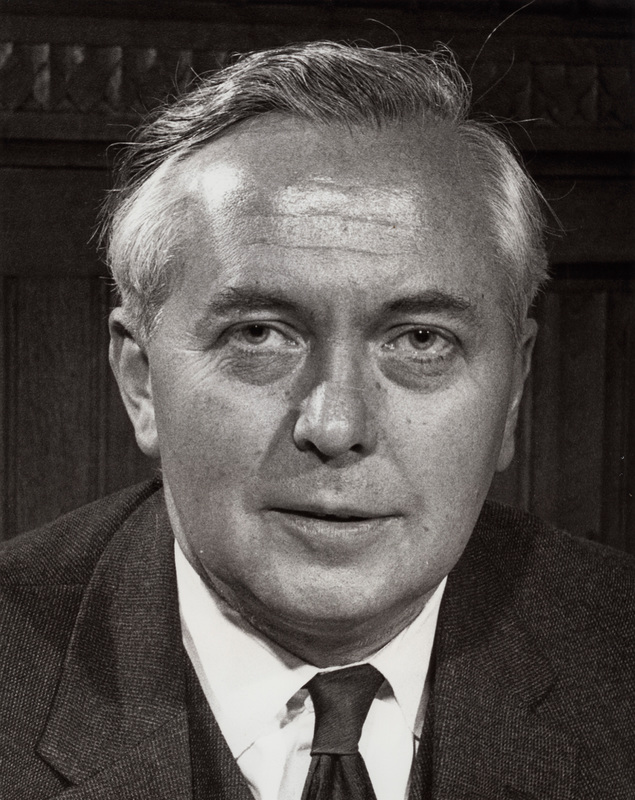
If Margaret Thatcher was Britain’s most far-right Prime Minister, Wilson was comfortably our most far-left one. And it leaves me with complicated feelings. We’re at last, at this point, into the Prime Ministers I’d regard as good overall, above average, but that doesn’t mean any of them, particularly Wilson, are immune from criticism.
It’s important to note that when Wilson finally decided to retire from political life and step down as Prime Minister in 1976, he was widely disliked for his very poor and reckless handling of the economy overall and his wishy-washy attempts to control the trade unions.
By the 1970’s, the social democratic post-war consensus had fallen out of favour with the public for numerous reason such as a constantly flatlining and disfunctional economy the overtly powerful trade unions and far far too much state control over the economy that wasn’t keeping up with modern needs. Wilson, it has to be said, largely contributed to this. There’s little doubt that Wilson was probably our most ambitious Prime Minister, with an enormous statist plan to drastically change Britain’s industry and improve the lives of its ordinary people. While of course this was ambitious, a lot of his programs were paid for by an enormous, bloated amount of taxation that tended to stifle and punish real success, and his continuation of such expansionary fiscal policies in a time when the country was in debt lead to the embarassing devaluation of the pound (a key factor in Labour losing the 1970 election). It’s largely accepted that his New Deal-esque handling of the economy was a shambles, totally at the wrong time and far too focused on state control of near enough everything.
But despite his largely reckless handling of the economy, it’s also undeniable that Wilson’s original term in Government was an enormously accomplished and progressive one. Not only did Wilson make impressive investments into education and built more new homes than any other government in history, he was a magnificent reformer when it came to social issues. He was the Prime Minister who decriminalised homosexuality, abolished the Death Penalty (still to this day legal in several US states), decriminalised abortion and created laws increasing the rights of minorities and women. To manage to accomplish all of this in just 6 years in Government is tremendous, along with investment into housing and education.
Most impressive of all though was perhaps his refusal to follow the United States into the horrific mess of Vietnam, one of the most admirable and integral foreign policy decisions in the country’s history and in stark contrast to the cowardly pandering of Blair.
Wilson may have been a PM who was far too ambitious for his own good, but undoubtedly was an enormously transformative one in his own way.
13. HAROLD MACMILLAN (CONSERVATIVE) (1957-1963)
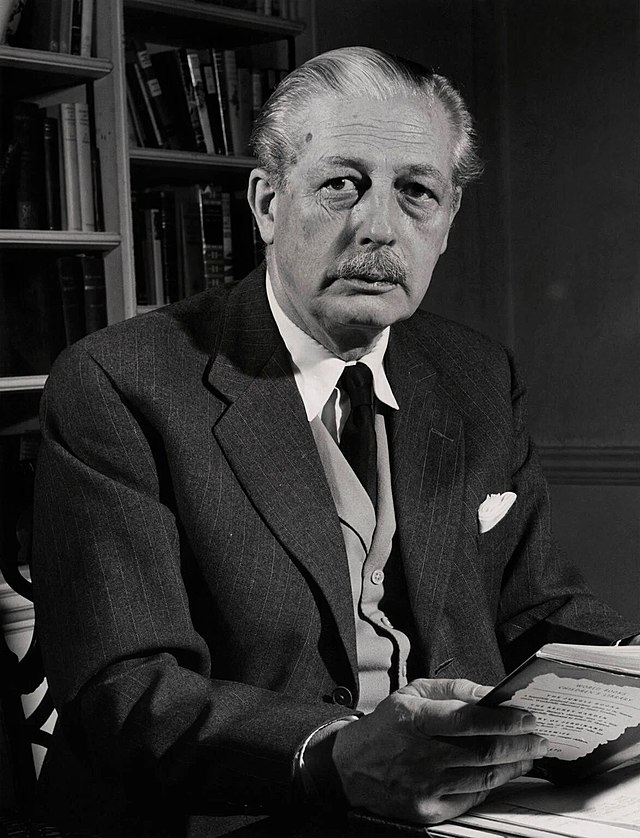
Another Prime Minister who generally did a strong job in Government and provided a refreshing, different form of government at the time but ultimately saw themselves falling apart towards the end over weak economic troubles, MacMillan for me was still the last genuinely good Conservative Prime Minister.
Much like his US contemperary Dwight Eisenhower, MacMillan governed in an incredibly adult, common sense way in many areas, a conservative who prioritised a smaller government but also accepted Labour’s welfare reforms as fundamentally necessary, promoting spending to boost the economy and championing businesses across the country. His first term as Prime Minister was somewhat of a golden era for Britain, with declining unemployment, a booming economy, healthy workers rights, no more imperalist nonsense and a solid foreign policy which repaired relations with countries such as the US in the aftermath of the Suez Crisis.
His 2nd term however, after his comfortable win in the 1959 election, saw people become really fed up of the continuing Conservative rule, with a combination of rising inflation, a lack of new ideas compared to an increasingly ambitious and positive Labour party, some messy foreign policy mistakes over decolonisation and some petty tabloid scandals. But the benefit of hindsight can be kind, and in general MacMillan provided the kind of decent, adult and honest leadership that we genuinely have not had since, and I hope our new Prime Minister Keir Starmer can prove to be a revival of that.
12. DAVID LLOYD GEORGE (LIBERAL) (1916-1922)
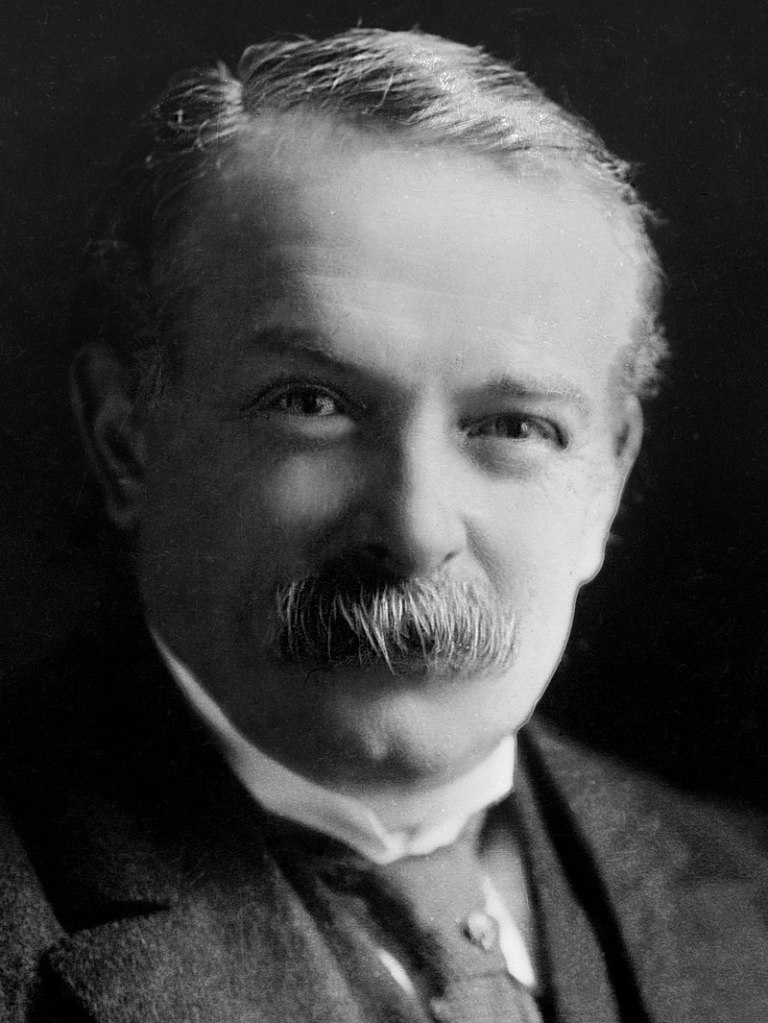
One of Britain’s best known, most popular and accomplished Prime Ministers, there’s just too much negative about David Lloyd George in terms of his personal character to seriously consider putting in the top 10. To get the (non-trivial) negatives out of the way, Lloyd-George was quite corrupt and was embroiled in various scandals both before and during his time as PM, the most damaging one being in 1922 when it emerged he had accepted bribes for peerages and other honours. The Liberal Party split in two under his watch, thanks to a lot of bitter conflicts with his former boss HH Asquith, and ensuring their replacement by Labour as one of the 2 major British parties, not helped either by the economic crisis and waves of strikes that affected his last year in Government. Lastly, his later life where he became an ardent supporter of Adolf Hitler (at least prior to WWII) and frequently expressed anti-semitic views can’t be ignored either.
At the same time, the amount of acheivements of Lloyd-George under the Conservative/National Liberal Coalition Government with Bonar Law cannot be brushed to the side. Thanks to some decent compromise agreements with both his Conservative partners and Labour MP’s, he managed to pass several key social and economic reforms that were begun by his two predeccesors. He was the PM who championed women’s suffrage, and gave them their right to vote. He put through a huge sweep of economic reforms almost equal to Attlee’s Labour government, increasing workers wages, creating several job schemes to reduce unemployment, setting up a Ministry for Health, doubling old age pensions and increased insurance benefits. No other PM arguably did more besides Attlee himself to drag the poor and working people out of poverty.
In matters of Foreign Policy, he took a more peaceful stance than others at the Treaty of Versailles, opposing the harsh peace on Germany (albeit unsuccessfully), oversaw the end of the bloody and horrific Great War through much more coherent and sensible leadership than his predeccesor and he was the PM who oversaw independence for the Republic of Ireland (from the UK), ending the brutal and bitter Irish War of Independence.
Lloyd George is overall yet another one of these PM’s like Wilson, Blair and Salisbury who could easily be in the top 10 if it wasn’t for numerous non-trivial negatives that drag them waaaay down.
11. BENJAMIN DISRAELI (CONSERVATIVE) (1868, 1874-1880)
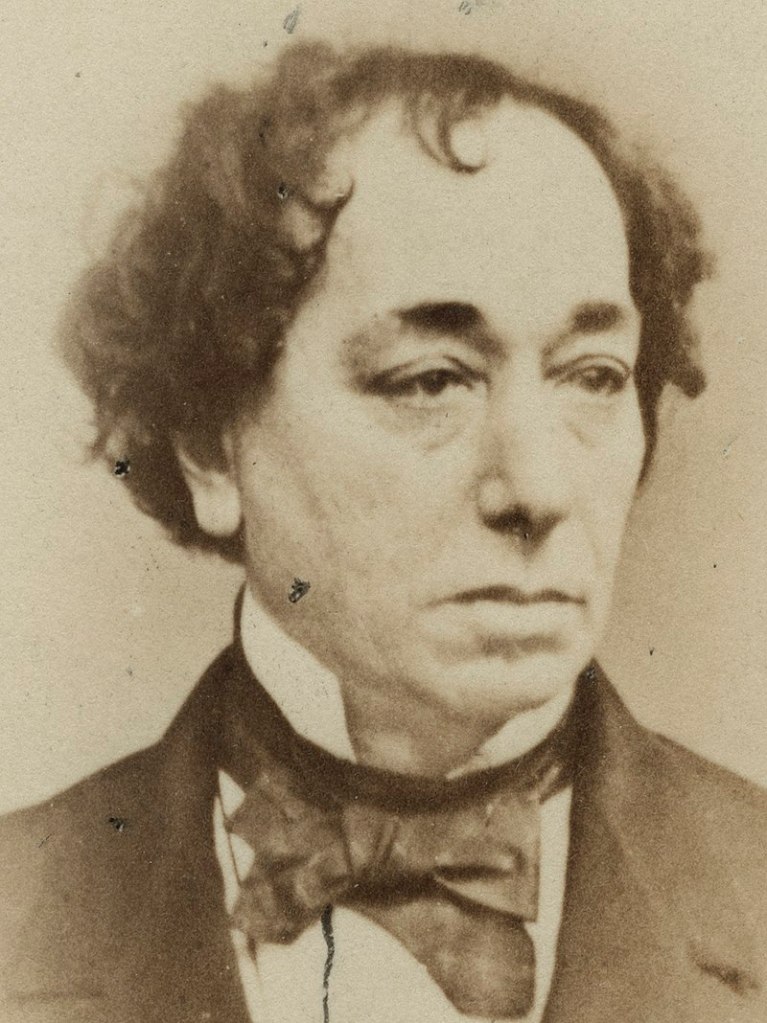
Not just a politician, but an influential writer, Benjamin Disraeli is genuinely perhaps right up there with Queen Victoria herself as the primary important historical figure people think of when they think of Victorian Britain.
Disraeli overall is an interestingly complex subject for study, complex enough in fact that he just about misses out on my top 10. Like others on this list, it’s foreign policy which really hurts him. Disraeli was largely associated with a massive expansion of the already quite harmful British Empire, staunchly championing and pushing much of the “benevolent” colonialism of the likes of Cecil Rhodes, which also benefited Britain with many prizes and discoveries of exports, but in an entirely unethical manner. In fact, his foreign policy was even controversial for the time, and was a big reason for his defeat in the 1880 election to rival Gladstone following unpopular wars in Afghanistan in the Sudan, and were recognised as imperalism getting out of control.
In terms of his domestic policy, Disraeli was a real innovator who practically invented and practiced with full force the One Nation Conservatism ideology, maintaining British traditional values and a scaled back government while also putting in many measures to help the working class. In fact, before becoming PM for the first time, he was a big proponent of the second Great Reform Act of 1867, which extended suffrage to middle class male adults. In his one full term as Prime Minister (from 74-80) he introduced laws requiring proper inspection of food products (ahead of the United States, for example, on this by decades) and even introduced laws effectively expanding workers rights enough to the point where they were equal to their employer under the law.
If his foreign policy wasn’t so unethical, even by the imperalistic standards of the time, he’d be well placed alongside his Liberal arch rival Gladstone in the elite tier.
10. WILLIAM PITT THE ELDER (WHIG) (1766-1768)
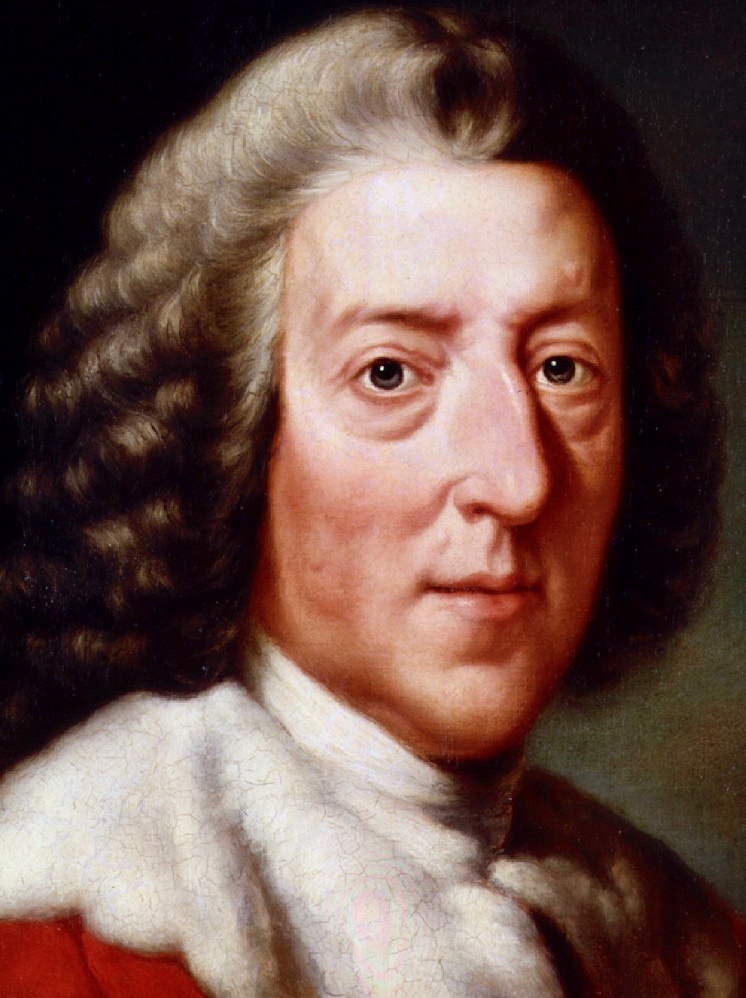
There you go Barney, debate settled. On my list at least, Pitt the Elder finishes a full…..uh……28 places above Lord Palmerston. Oof.
Pitt would probably rank a bit higher if his only actual, official time as Prime Minister wasn’t so short and irrelevant, coming late in his life and by which point he had accepted the title of Earl of Chatham. He largely ended up as part of a series of short lived Prime Minister’s during a time of big political instability in the early years of George III’s reign.
He didn’t get to do much in that brief period, but Pitt’s general greatness in his many decades in government is reason enough for him to just about get into my top 10. While not “officially” holding the position of PM, Pitt essentially was Britain’s ultimate leader, in a coalition with the rather inept official PM Newcastle, during the Seven Years War, where his tremendous military tactics and inspiring leadership ultimately saw victory for Britain and peace with France by the end.
In parliament, Pitt was generally renowned for his brilliant oratory skills, high intelligence and historical knowledge, populist appeal and passionate fight against corruption. He was summed up well by the Samuel Johnson quote: “Walpole was a minister given by the king to the people, but Pitt was a minister given by the people to the king”.
09. WINSTON CHURCHILL (CONSERVATIVE) (1940-1945, 1951-1955)
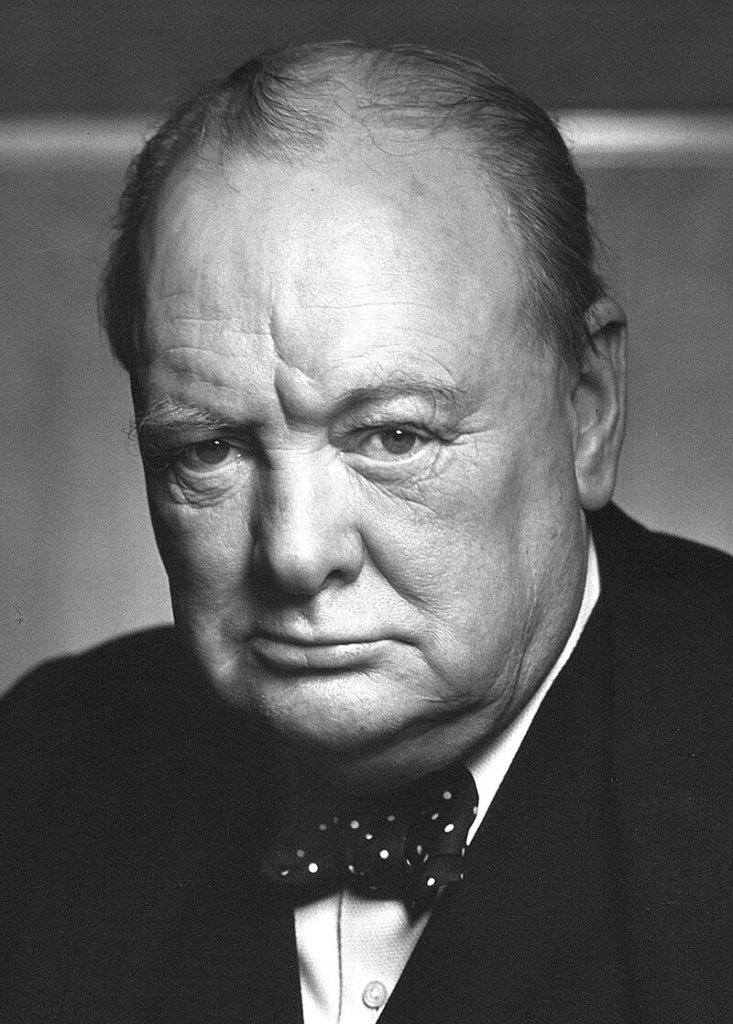
Recognised the world over, loved and loathed, his legacy extremely controversial to this day, Winston Churchill is undoubtedly Britain’s most iconic Prime Minister and one of the most famous leaders in world history.
His legendary oratory skill, bulldog-type appearance and various quirks have essentially entered British folklore, and he usually tops lists of Britain’s greatest Prime Ministers when rated by historians, for his inspiring, positive and crucial leadership of Britain during the dark days of the Blitz and Hitler’s takeover of Western Europe seeing Britain standing alone against the fascist tide. Not only did he remarkably succeed in keeping Britain from Nazi conquest by bulldozing through pathetic attempts by his spineless colleagues at appeasement, his words alone (typified by his legendary “we shall fight them on the beaches” speech) served as a guiding light for British people during exceptionally grim times where it was easy to believe that the world as they knew it might be going for good.
All of that is of course enough for Churchill to get into the top 10, and he should genuinely probably be in everyone’s top 10 at least for British Prime Ministers. But it doesn’t take much digging in to Churchill to find some real bad stuff there that makes his overall legacy (especially outside of Britain) extremely controversial.
For one thing, prior to becoming Prime Minister at a time of convenience due to his elder statesman status and particularly strong stance against Nazi Germany, Churchill was considered somewhat of a joke. Undoubtedly charismatic and somewhat of a powerful, long serving figure in politics, but he had the reputation of a blustering flip flopper with quite a lot of notable political embarassments behind him. When part of the Liberal Government, he had overseen the infamous and disastrous battle of Galipoli which permanently ruptured the relationship between Britain and its Australian colony. Then after defecting back to the Conservatives (his original party) had a (to be generous) quite mixed stint as Chancellor to PM Stanley Baldwin, overseeing an econimic crisis in the mid-20’s.
This wasn’t to say Churchill didn’t have a lot of positive qualities, such as his contributions to the welfare state, staunch belief in liberal ideals and his early support for women’s suffrage, but his political career in general prior to WWII was mixed to say the least and by 1940 he was considered an out of touch dinosaur.
In general, he had several backwards views even for the time, including an overly romanticised view of the British Empire and some particularly strong racial views (which many attribute to his rather apathetic and cold attitude towards the 1943 Bengal Famine) which also count against him.
There is also his second, far less well known stint as Prime Minister from 1951-55, which was…significantly less impressive than his first. Although he did admirably oversee a shift in the Conservative party towards acceptance of Labour’s most significant welfare reforms, while scaling back the too heavy involvement from the state, his four years in Government were quite uninspiring and proved many of his critics correct that he would have little imagination and vigour (especially at his advanced age) to progress Britain into the modern age, and he would end up resigning before the next election as his health worsened.
Churchill overall is an extremely complex figure with many flaws, but he’s undoubtedly one of Britain’s greatest heroes.
08. EARL OF DERBY (CONSERVATIVE) (1852, 1858-1859, 1866-1868)
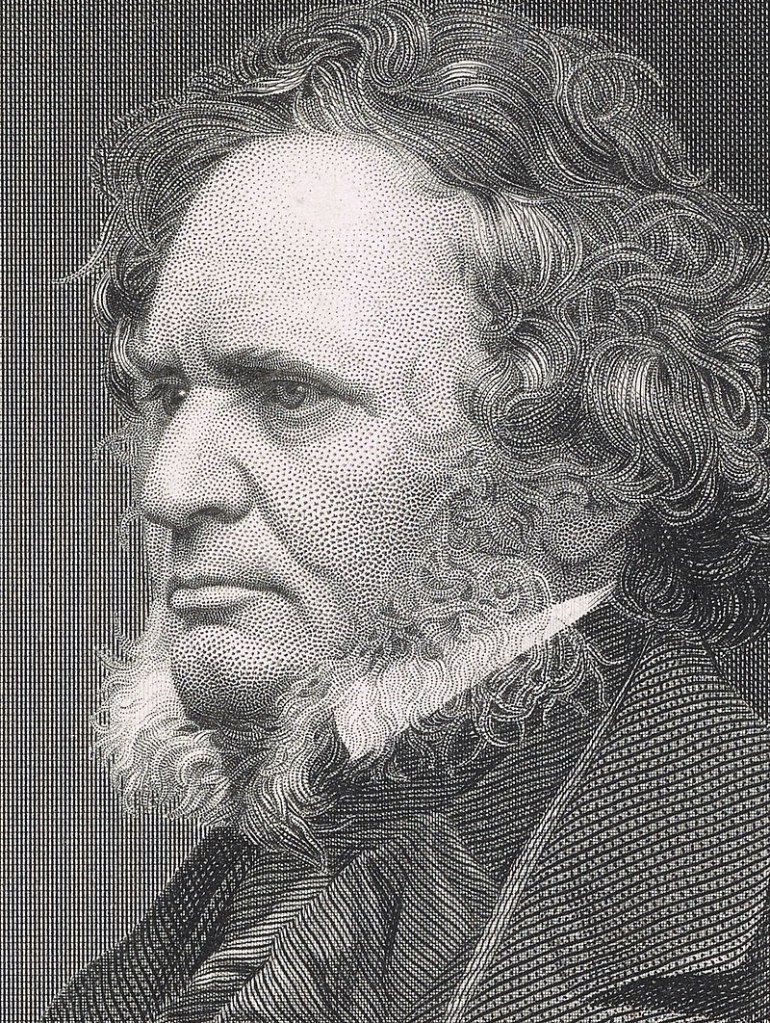
Originally a Whig but later one of the defnining members of Sir Robert Peel’s Conservative party, a classical liberal alliance of former moderate Whigs and reformist Tories, but later a rival of Peel himself, Derby became the leader of the Conservatives for a very long period of time, throughout the late 1840’s, 1850’s and 1860’s. In that long period, he served as Prime Minister three times, each time being fairly brief compared to other Prime Ministers, but with none of his 3 stints being trival whatsoever.
Despite never possessing a majority government, and being a more traditionalist on many issues than the more progressive Peel, Derby managed to usually govern well and sensibly, possessing an unusually sane foreign policy by the standards of the time (especially compared to his major rival of many years, Lord Palmerston), always seeking to avoid major wars. More crucially, his list of accomplishments is quite impressive despite this too, managing to (most impressively) get the Reform Act of 1867 passed, which expanded male suffrage beyond just elite property owners.
07. HENRY PELHAM (WHIG) (1743-1754)
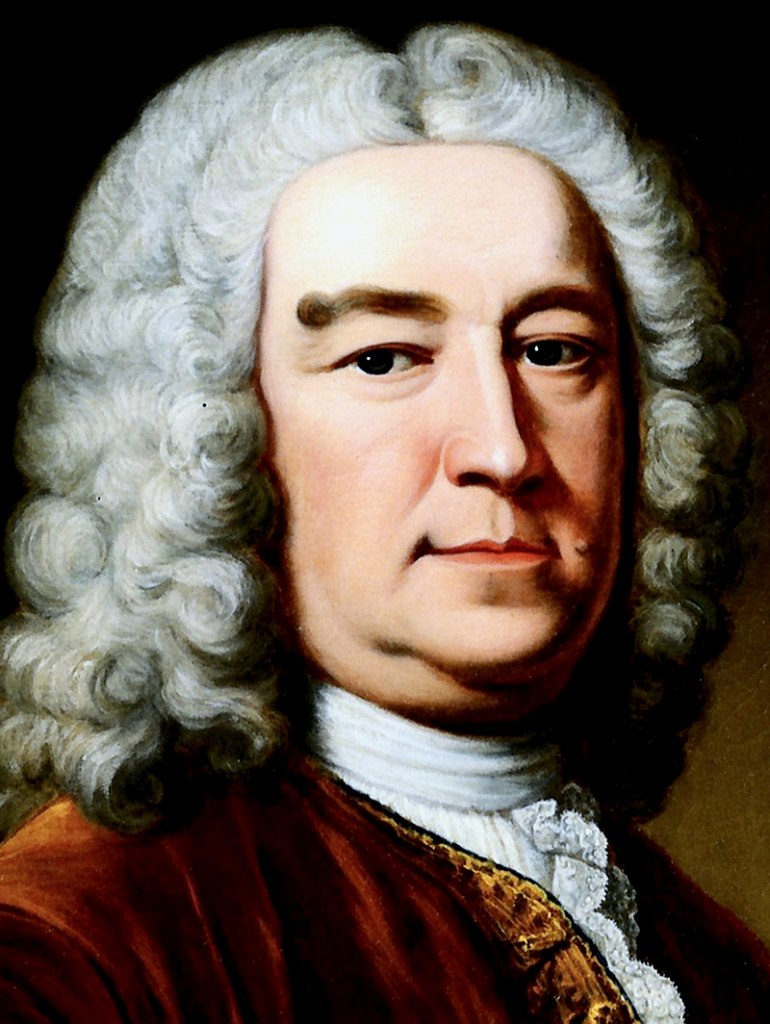
Not Britain’s first Prime Minister, nor as famous or influential as his predeccesor Walpole, Henry Pelham is in my view an unfortunately forgotten and underrated man in British history, just for his utterly decent manner of governance. In fact with him, we enter my own, slightly expanded, “Mount Rushmore” of the 7 truly great Prime Ministers.
On issues of the ridiculous foreign wars that occured throughout his 11 years as PM, he managed to act as a decent mediam towards the King in moderating several of his decisions.
He acheived some strong domestic accomplishments for the time such as reorganisation and expansion of Britain’s Navy and big reduction of the country’s national debt, helped by reducing the exessively bloated armed forces.
Above all he was a humble man without an ego who always acted with total integrity, being the conscience of both the King and his own sometimes divided cabinet, and that is the main reasons why he ranks among the best.
06. WILLIAM EWART GLADSTONE (LIBERAL) (1868-1874, 1880-1885, 1886, 1892-1894)
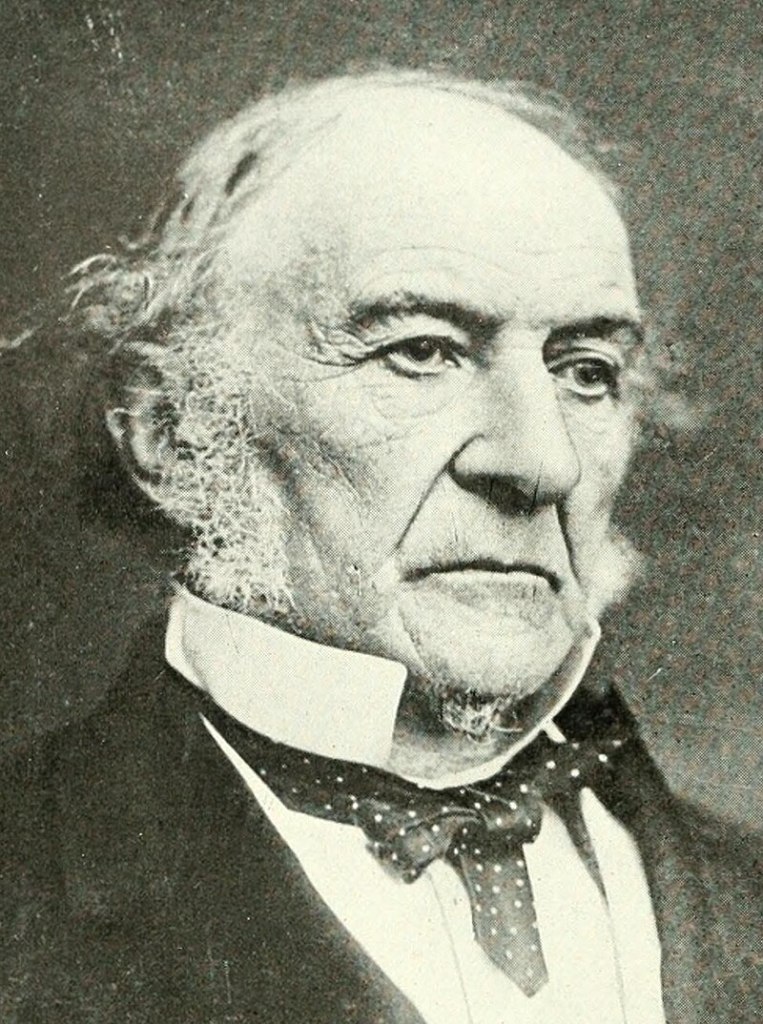
The one and only British Prime Minister to have served 4 seperate times, Gladstone was not only an incredibly important statesman for several decades in Victorian Britain, but he was also a great and important reformer even by the standards of the era, the true father of modern British Liberalism.
In his first 2, lengthy, tenures as Prime Minister in particular, Gladstone passed numerous important reforms. There was the introduction of Secret Voting, which ensured the anonymity of all voters in British elections. He abolished flogging. He was the PM who officially legalised Trade Union activity, and established breakfast clubs for the poor, along with numerous other policies that put him on the side of the deprived working class. He abolished taxes on the poor. He proposed Irish Home Rule, and reform of the House of Lords. He championed free trade. Most importantly of all, despite initially being an elitist traditionalist who was opposed to the 1867 Reform Act, he was the PM who passed the Third Reform Act in the 1880’s, which finally expanded voting rights in elections to the male working class.
You could easily make a case for Gladstone as Britain’s all time greatest Prime Minister, but I have to say that like most of Britain’s PM’s from this period, his foreign policy and prosecution of the Empire has a lot of bad points, despite his stance on rival Disraeli’s more outwardly imperalistic policy as immoral. His second term in particular, saw some immoral bombardments of Alexandria and Egypt, a hostile policy towards the Ottomans and his most infamous failure, a total neglect of Major Gordon’s forces in Khartoum, abandoning the Major to his death, which destroyed both Gladstone’s popularity at the time and his relationship witth Queen Victoria.
05. CLEMENT ATTLEE (LABOUR) (1945-1951)
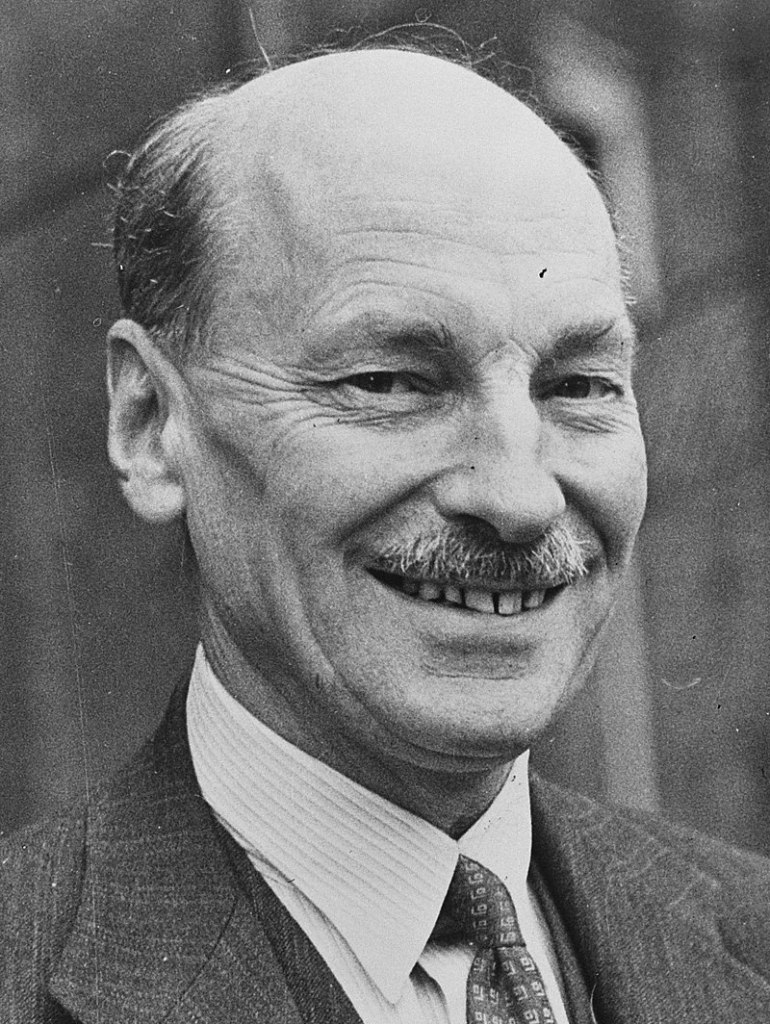
I could easily just write “he founded the NHS” and leave it at that as to why he makes my top 5, but Attlee, comfortably Britain’s best and most positively transformational post-war Prime Minister, did a whole lot more than that, helping to not only rebuild a broken Britain in the aftermath of World War II but build a better country than ever before in the long run.
When Attlee came to power in 1945 in a hugely surprising (especially given Churchill’s war hero status) sweeping landslide, Britain was not only horribly damaged by the war and particularly the German Blitzkrieg of 1941, but also the rotten Conservative/National handling of the economy during the grim 1930’s depression. Having seen the effect of FDR’s New Deal policies in the US, the hope of the Labour Party swept the country in stark contast to the out of touch and unpopular Conservative Party, with Churchill the only popular thing about it.
While Attlee’s Government continued the policy of rationing due to the Britain’s brutally damaged economy, but combined that with the massive expansion of Britain’s welfare state, introducing not only the miracle National Health Service that was free to the point of use, but also unemployment benefits and retirement pensions through the 1946 National Insurance Act, a huge increase in housebuilding, a massive increase in workers rights such as sick pay and pumping money into the economy to stimulate growth and reduce the inequality between towns and cities.
Attlee’s policies were not all successful. The huge scale of nationalisation proved to be arguably too much in the long run in terms of the suffocation of businesses and a bloated bureaucracy, and, by the end of his 6 year Premiership, the overall economy was still suffering in many parts of the country with the bigger focus being on levelling up the North and austerity and rationing still being in effect, all of which contributed to a divided country, a divided Labour Party and ultimately Attlee’s narrow defeat in the 1951 election. However, his effects on improving general living standards and health and reducing poverty across the country had even made the Conservatives accept many of his reforms such as the NHS and the welfare state in general. And that is his lasting legacy.
Aside from some of the poor consequences of overt nationalisation, the reason why Attlee doesn’t rank much higher on the list than just 5th despite all he did is, yet again, his foreign policy. While Attlee did admirably pursue deconolisation, recognising the Empire as a dated relic, and he did finally grant India independence in 1946, he did so by overseeing the appalling Partition of India into the Hindu India and the Muslim Pakistan, which destroyed families and communities, led to multiple atrocities and battles and fostered a resentment between the two religious nations which still exists today. This is one of many great British Foreign Policy sins and it cannot be ignored. Another mark against him in this area is the violent crushing of pro-indepence movements in Malaya, as part of the government’s commitment to the US side in the Cold War.
04. HENRY CAMPBELL-BANNERMAN (LIBERAL) (1905-1908)
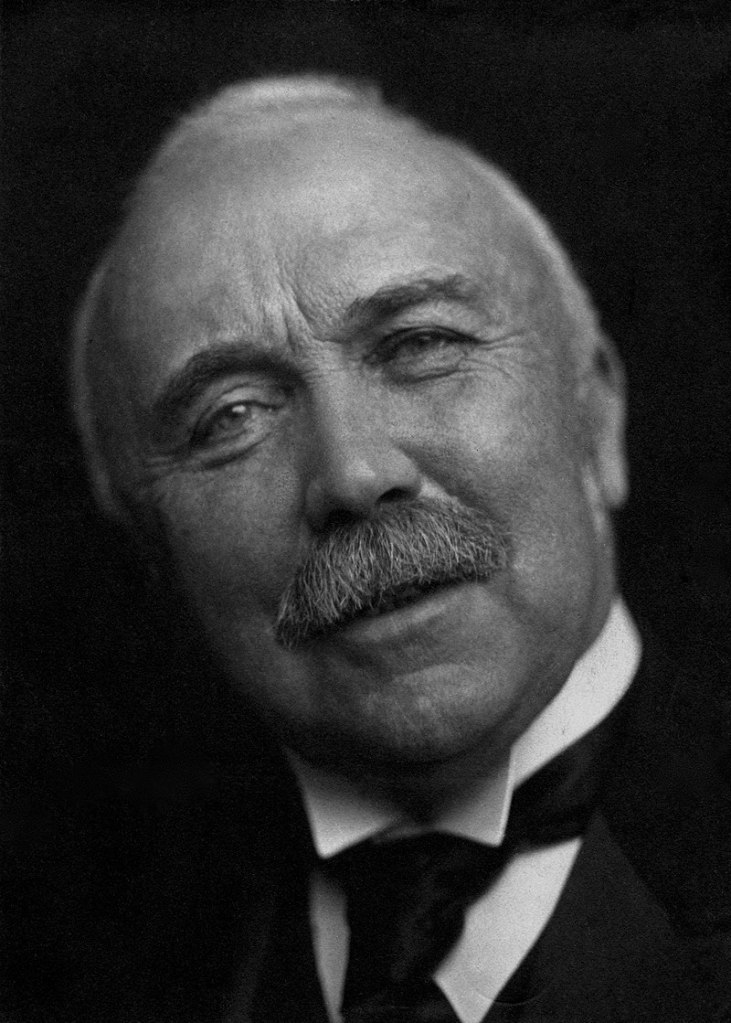
Very much like Attlee, Henry Campbell-Bannerman was the embodiment of what you want in a leader of your country. Incredibly modest and lacking in ego, a man of peace and big believer in improving the lives of the working man. Much like Attlee, he was embolded by an utterly enormous electoral landslide, with the Liberal wipeout of an increasingly dated and divided Conservative party in 1906, to set the country on a new and better path. And that he did, or at least set in motion the policies that did before his utterly tragic, untimely death only 2 years later in 1908.
What separates HCB from Attlee in my opinion is 2 major things which I’ve already covered. For one, HCB believed in progressive policies that improved people’s lives without going down the ultra left wing route of a huge bureaucracy nationalising everything in sight, thus guaranteeing a government for all. He embodied the potential end goal of the great century of British liberalism rooted in the Enlightenment, of a Government that truly empowered all its citizens while staying out of their business. Among his more notable reforms (very big for the time) were allowing schools to provide free school meals, a strenghtening of union rights, rehabilitative alternatives for young offenders and allowing workers to push for compensation against their employers, and many of his further ideas would be fully realised by his successors Asquith and Lloyd George.
Second, his foreign policy lacked some of Attlee’s more high profile disasters, being truly rooted in peace and reducing the harsher oppression of the Empire, pushing for reductions in tensions with its fellow European imperial powers and giving self government back to the Boers.
It has been argued that with HCB died the spirit of the greatest form of true liberalism the country has ever known. While many further reforms were enacted by his two successors, neither Asquith or Lloyd George truly possessed the integrity that made HCB special, Asquith being the rather cold man who made an almighty hash of the Great War, which HCB as a true pacifist may not have even pushed to enter, while Lloyd George was incredibly corrupt. And it’s why despite not actually even acheiving much on paper necessarily and dying prematurely he has such a great and long lasting legacy.
03. SIR ROBERT PEEL (CONSERVATIVE) (1834-1835, 1841-1846)
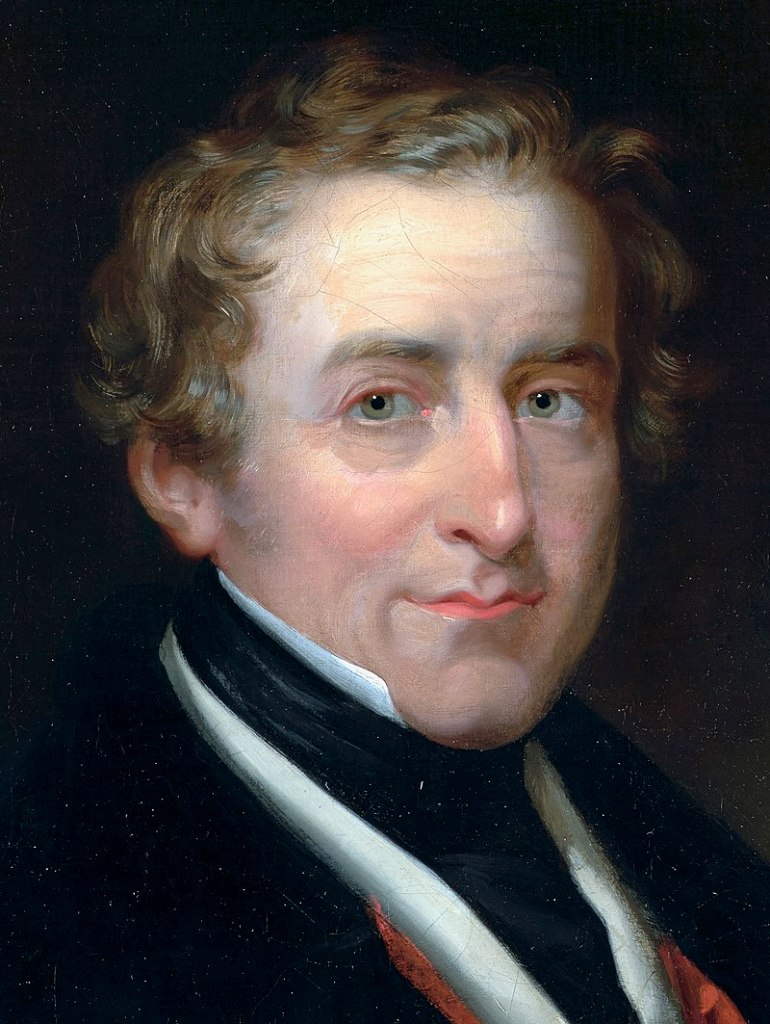
The founder of the modern day Conservative party would probably hardly recognise the party today. In what was the early days of the golden era of British liberalism, Peel formed a breakaway faction of former Tories that were supportive of the positive Whig reforms of Earl Grey, soon to be joined by moderate Whigs such as the Earl of Derby who were opposed to the more radical members of their party. From this, the Conservative party was born out of desire for reform while still maintaining a belief in conserving the values of classical liberalism.
In his one full term he got to govern after finally gaining enough support to topple the increasingly unpopular and scandal driven government of Viscount Melbourne in 1841, Peel had a transformational effect in terms of his utterly integral and sensibly progressive brand of governing. A superb example of this is when he broke with the protectionist leanings in his party to repeal the Corn laws in order to help deal with the outbreak of the Great Irish Famine, even though he knew it would result in the collapse of his government due to his party ousting him. In general, he had already gone against his party on protectionism before, slowly becoming an advocate of free trade and reducing several ludicrously high tarrifs.
Another time he did the right thing at the cost of his own popularity was his expansion of Catholic Emancipation. Peel had already in his pre-PM career in parliament admirably reversed his previous anti-Catholic positions and supported an increase in Catholic rights in the 1820’s and 30’s, and as PM he caused controversy among the hardcore anti-Catholic tradtionalists again by attempting to boost relations with the strongly Catholic elements in Ireland.
Other very decent reforms his government enacted were reduced working hours in factories and an improvement in safety standards, an expansion of medical treatment in asylums, reduction in debt and boosting of the economy through the Gold Standard.
Peel’s Government was one that truly represented doing what was right for the country always over partisan sentiment, and that is what the Conservative party originally represented. Quite a far cry from the elitist, corrupt party of cruel charlatans you see nowadays that carry the “Conservative” banner.
02. MARQUESS OF ROCKINGHAM (WHIG) (1765-1766, 1782)
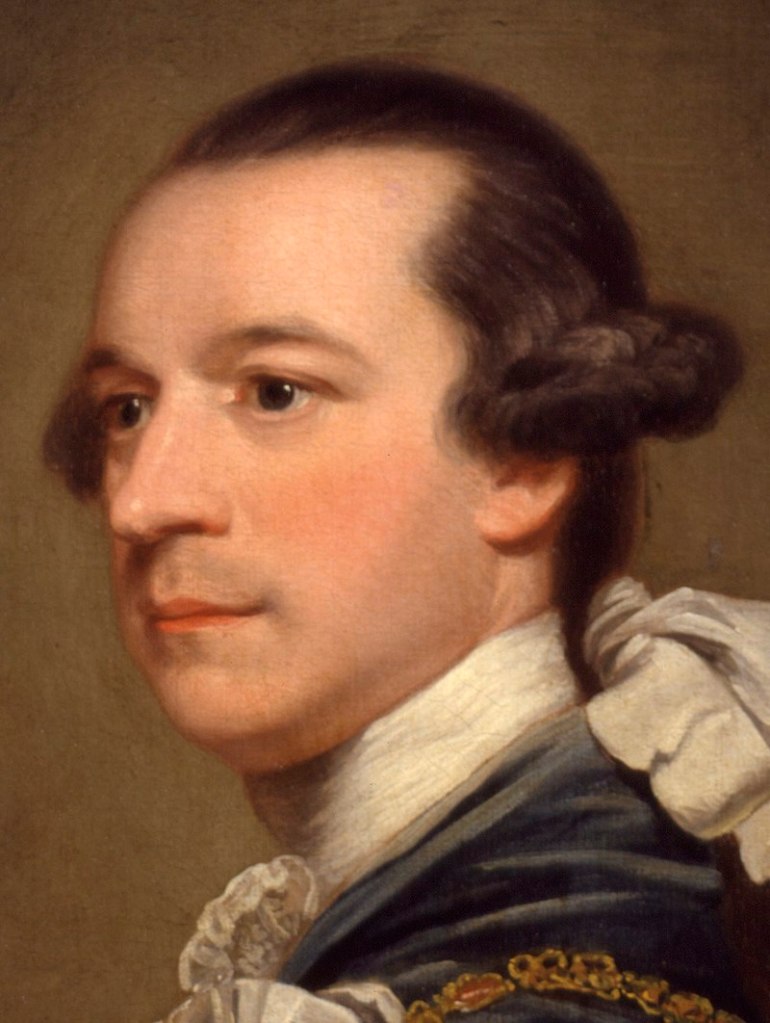
You may think I’m mad, nay, utterly bonkers to have a man who served such little time in the position as Prime Minister in combined days as the 2nd best PM of all time. But hear me out. Rockingham is one of the most truly, criminally underappreciated historical figures to have ever existed and its remarkable how much he acheived in his 2 ridiculously brief stints as Prime Minister, how ahead of his time, consistent and progressive he was on various issues for a man of the 18th century and how much he repeatedly acted with integrity both in and out of government to push for the right things.
It was because of his utter integrity, refusing to be swayed by either parliament or the domineering King in order to push through what he deemed to be right for the country, that would result in his first government collapsing quite quickly. His first stint as PM saw him repeal the unpopular taxes enacted by the reactionary Bute and Grenville governments in order to give more freedom back to the people, and repealed the disastrous Stamp Act which had angered the American Colonies.
In fact, both as PM and leader of the opposition of the next 15 years, he strongly supported increased constitutional rights for the American colonists, and had Rockingham been in the position of PM in the 1770’s rather than the abominable cretin Lord North, the Americans could have gradually gained greater rights and eventually even independence without a costly, brutal war. Alas, he was again far too much ahead of his time on this issue, and his colonist sympathies led him to be booted out in 1766 and remain simply in opposition throughout the entire thing.
He remained a critic of his own country’s abominable, continued war effort in a stubborn attempt to retain the embittered colonies, and called for its end as early as 1779. He also spent his time, incredibly, calling for electoral reform and the seperation and independence of the government from the influence of the monarchy. Ideas which were considered “radical” at the time but would become reality within the next 50 years.
At last, he would return to power in 1782 following Britain’s defeat at Yorktown, and in only a few months back in government before his untimely, tragic death at the age of only 52, he oversaw some seriously important pieces of legislation, finally overseeing the end to the long and bitter war of independence by beginning negotiations on the Treaty of Paris. He passed the Relief of the Poor Act, which allowed the government to set up workplaces or centres for the poor. He cracked down on government money being used for electoral purposes. He gave greater autonomy to the Irish by removing prior authoritarian acts placed on them by the previous reactionary governments that had set the American War into motion.
That all of this was acheived in only a few months, the most important legislative reforms in decades in fact, along with his remarkable character as a truly good human being above all else, really elevates Rockingham highly on my list, far too easily dismissed by lazy historians who seem to look at dates and time served over anything else.
01. EARL GREY (WHIG) (1830-1834)
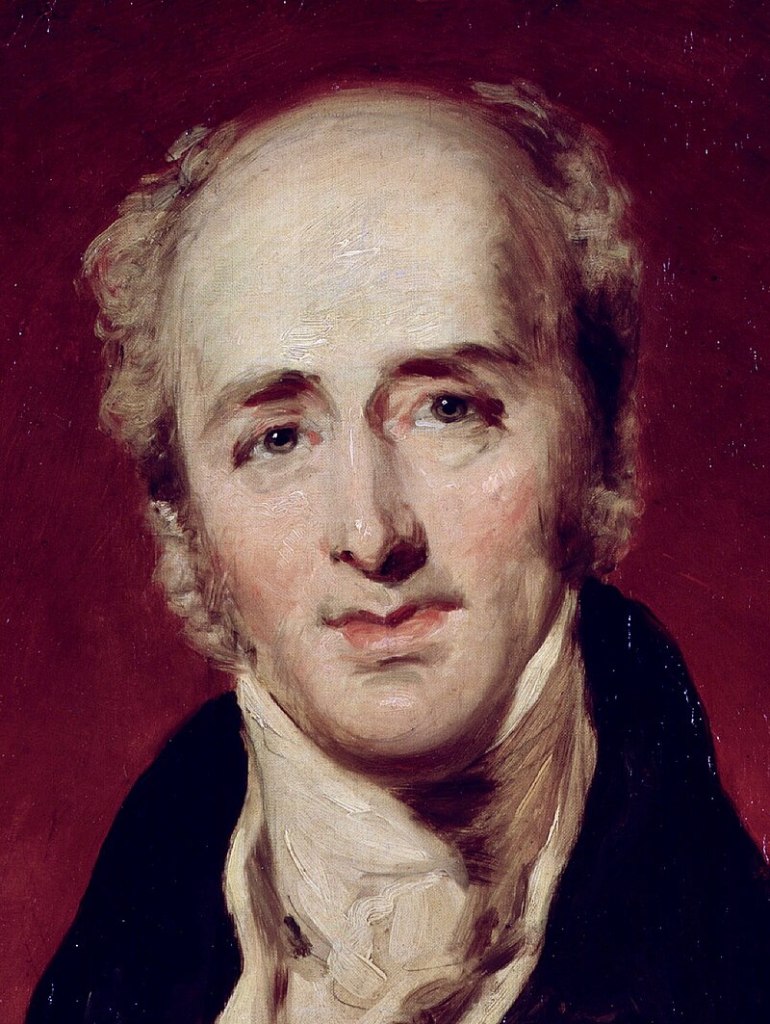
Probably more recognised today by Brits as a brand of Tea, it may not be as well known that Earl Grey the man, the namesake for that great British passtime, was the Prime Minister who established Britain as an actual Democracy. Yes.
With huge reformist sentiments continuing to rise and rise amongst the British population in the first half of the 19th century, following similar democratic rights granted to the citizens of the former American colonies as an example, successive reactionary and dinosaur Tory administrations had repeatedly pushed back against any of this sentiment, resulting in creeping authoritarianism, a suffering working class and even horrific incidents such as the 1819 Peterloo Massacre.
Finally, someone with true reformist sympathies in Earl Grey managed to get into Government, the first successful Whig Prime Minister since the early 1780’s amazingly after what seemed to be an eternal Tory Reich, and it was he who pushed through (against much opposition) the Great Reform Act of 1832. While all this law did really was increase the right to vote specifically to males, and indeed males only who qualified at a certain level of property ownership, it at least was a long awaited expansion of voting rights outside of the elite spheres of parliament itself, and for the time was a remarkably radical next step in the expansion of British democratic rights, which had their roots (longer than any other country in the world) going back to the 1215 signing of the Magna Carta but had lagged behind their American cousins in recent decades. The act also addressed the unequal number of seats to ensure proper representation of each area, creating the modern day electoral system.
That would probably be enough on its own to justify putting him as the number 1 spot, but incredibly it doesn’t end there. His Government oversaw the official end of all slavery in Britain and its colonies, in 1833, a few decades after the trade itself was banned, and managed to do it without a bitter, divisive war like which happened in the United States.
These two acts were done in only 4 years in Government, before his resignation in 1834 over bitter disagreements in his party regarding Ireland, yet he set in motion a golden era of British liberalism with his far reaching reforms, which changed both his own party and the opposition Tories (which splintered into the Conservatives and Peelites) forever, and he is arguably the man who created British Democracy itself.
What more needs to be said?
 The Circled Square
Leave a comment